


Selenium’s vital role in the defense against COVID-19 and other RNA viruses
 Our nutritional status is of vital importance to our health and our ability to handle infections. Selenium has several functions in the immune system, including its role as an antioxidant and in counteracting unwanted inflammation. Selenium is also able to prevent virus from mutating and becoming more virulent or creating new waves of disease. A team of Chinese scientists have reviewed a number of studies of selenium and its key role in the defense against influenza, HIV, and other types of RNA virus. They have found, among other things, that the risk of contracting a COVID-19 infection is 10 times lower in areas where the soil is rich in selenium. Therefore, it is a huge problem that selenium deficiency due to selenium-depleted farmland is so widespread in Europe, China, Africa, and many other places.
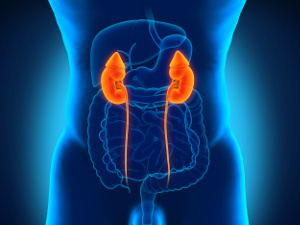 The kidneys cleanse our blood. Well-functioning kidneys are vital for the circulatory system and good health in general. Normal functioning of cells, including kidney cells, hinges on a host of different selenium-containing proteins and coenzyme Q10. Studies show that older people in many parts of the world, Europe included, have deficiencies of both substances. Therefore, a team of Swedish scientists conducted a study where they looked at selenium status and kidney function in a group of seniors. They gave selenium yeast and coenzyme Q10 or placebo to the participants for a period of four years. The results showed that the supplemented group as compared with the placebo group had improved kidney function according to several parameters. The positive effect on cellular energy metabolism, inflammation, and oxidative stress was attributed to the two supplements. The study is published in the science journal Nutrients.
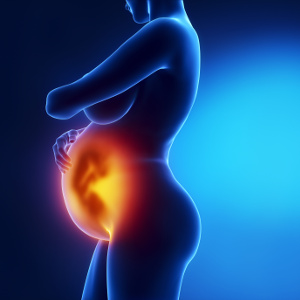 Selenium is an essential trace element that supports a host of different proteins and antioxidants that are important for pregnancy. According to a new Norwegian population study that is published in the science journal Nutrients, lack of selenium during pregnancy may stunt the growth of the fetus and result in low birth weight. This may have consequences for the child’s growth, cognitive skills, and health. Selenium deficiencies are rather common in Norway and the rest of Europe and that is a problem.
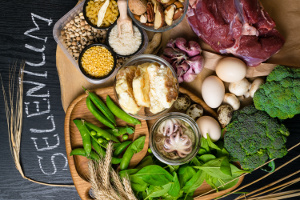 Selenium supports a number of different selenium-dependent proteins that are important for our energy turnover, metabolism, immune defense, fertility, and antioxidant protection. Selenium also has a special affinity for mercury and is therefore able to bind to this heavy metal and counteract its harmful impact on the brain, the nervous system, and other tissues. Once selenium is bound to mercury, however, the different selenoproteins are no longer able to use it. We are all exposed to a certain amount of mercury and that may result in a borderline deficiency of selenium. The problem is that other factors weigh in such as selenium-depleted crops because of the lack of selenium in the European farmland. What is important to realize is that mercury toxicity is insidious and certain fish such as predatory fish and whales in the upper part of the food chain contain large concentrations of mercury. However, therapeutic doses of selenium can prevent the toxic effect of the heavy metal, according to a new review article published in Scientific Research.
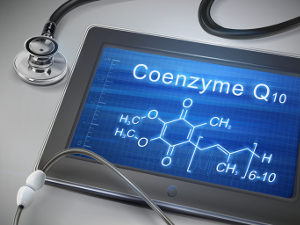 Q10 is involved in the cellular energy turnover and it is also a powerful antioxidant that protects cells, tissues, and the cardiovascular system in several ways. Humans synthesize most of their own Q10 but the endogenous production of the compound decreases with age. Besides, certain diseases are associated with lowered endogenous coenzyme Q10 synthesis, and scientists have observed that Q10 supplementation has the potential to attenuate various symptoms linked to heart disease, diabetes, kidney disease, migraine, chronic fatigue syndrome, and fibromyalgia. Q10 can also improve the heart function in older, healthy people, thereby lowering their risk of dying of heart disease. It is difficult for the body to absorb Q10, which is why scientists emphasize the importance of using pharmaceutical-grade supplements. This topic was addressed in a review article published online by www.nutraingredients.com.
 Millions of people take painkillers such as Panadol or Calpol that contain paracetamol, and an estimated one billion people or so lack selenium due to nutrient-depleted farmland. This is an unfortunate cocktail because being deficient of selenium increases the risk of using paracetamol, so even the recommended dosage burdens the liver to such an extent that it causes toxicity and increase the risk of side effects. This was demonstrated in a collaborative study carried out by Bath University in England and Southwest University in China.
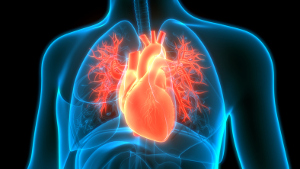 Life cannot exist without coenzyme Q10. The compound is necessary for the energy turnover in all our cells. It also functions as a powerful antioxidant that protects the heart and cardiovascular system against oxidative stress. Humans are able to synthesize Q10 but our endogenous production decreases with age. Heart failure patients also have reduced levels of Q10 which can be fatal, but decades of research have shown that Q10 supplements can improve quality of life and reduce mortality by close to 50 percent, according to a review article in Journal of Clinical Medicine. Here, the authors refer to 90 published articles. It is also important to get enough selenium, which helps Q10 function optimally.
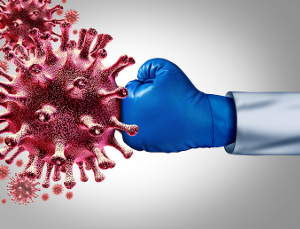 Around one billion people worldwide are believed to lack selenium, mainly due to nutrient-depleted farmland. Selenium deficiency makes us more vulnerable to infections and increases the risk of a virus mutating and becoming more dangerous. This was shown in previous studies of RNA virus that can cause influenza, hepatitis, HIV, and Keshan disease. Coronavirus that causes the common cold and COVID-19 infections also belongs to the group of RNA virus and has a unique ability to mutate. Three new mutated virus types have been found in mink and stand in the way of a future vaccine. Therefore, we are forced to bolster our immune defense, which is designed to attack virus from different angles. Still, even if we eat a healthy diet it can be challenging to get enough selenium, and that is why an increasing number of international researchers now recommend selenium supplements to help fight coronavirus
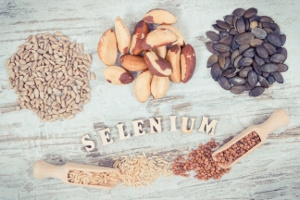 The cells in our body are constantly renewed but they can only divide a limited number of times. It all depends on the length of their telomeres, which one can compare to the protective plastic tips at the ends of shoelaces. Every time a cell divides, its telomeres are reduced in length, bringing the cell closer to its terminal phase. Now, a Chinese study has revealed that higher selenium intake is linked to increased telomere length. Put differently, a higher selenium intake contributes to protecting the cells and allowing them to replicate more times. This may likely postpone the ageing process and extend our lifespan, and there are other studies that suggest the same. It is worth making a note of the fact that selenium deficiency is widespread in Europe and throughout the world.