


Q10 supplementation improves kidney function in nephrotic disease
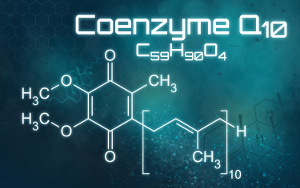 Primary Q10 deficiency is a rare dysfunction where the body’s missing ability to synthesize Q10 can lead to a rare type of nephrotic disease that cannot be treated with medicine. According to a new study that is published in Kidney International, however, it appears that Q10 supplementation can reduce the kidneys’ protein excretion, protect renal function, and lower mortality. Based on their findings, the scientists conclude that all patients with primary Q10 deficiency should ideally receive early and life-long Q10 therapy in order to prevent the disease from progressing and to avoid future organ damage.
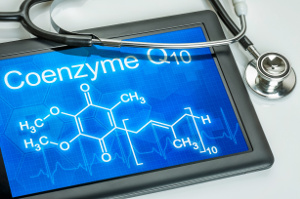 A previous study has demonstrated that daily supplementation with coenzyme Q10 and selenium increases heart muscle strength in seniors and reduces their cardiovascular mortality by over 50 percent. Now, a team of Swedish and Norwegian scientists has found that these two nutrients are also able to slow down the age-related shortening of cellular telomeres, which are attached to the ends of all DNA strands. You can compare telomeres to the small aglets that prevent our shoelaces from fraying and tangling. Like aglets, telomeres protect the DNA strands, but they are exposed to attrition and eventually wear out. The more worn our telomeres become, the more exposed the cellular DNA becomes, until it reaches the point where the cell finally perishes. Q10 and selenium appear to preserve telomere length, thereby keeping us in good health for longer time.
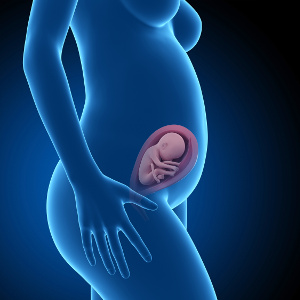 During pregnancy, the unborn child needs different nutrients for proper development of its brain and nervous system. Even if the mother eats a balanced diet, it can be difficult to get enough selenium for a number of reasons. In a new Italian animal study that is published in Nutrients, scientists have looked closer at selenium’s role during pregnancy and lactation. They observed that even minor selenium deficiencies can have a negative effect on the offspring’s brain development and behavior. This study supports earlier human studies showing how vital it is for the mother to get plenty of selenium during pregnancy and breastfeeding.
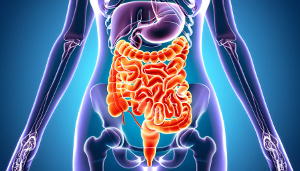 Colorectal cancer is one of the most common cancer types. Although the diet is of huge importance, the understanding of minerals and their interactions and preventative effect is limited. Earlier studies have shown that calcium and selenium have protective roles. It also looks as if having more selenium in the blood can improve the effect of calcium. This was demonstrated in a new Polish study that is published in BMC Nutrition. The scientists point out that there is widespread selenium deficiency in Europe and that supplementation may be needed.
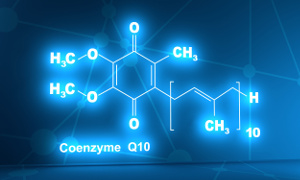 Q10 is a unique and wonderful coenzyme with a key function in energy turnover and a role as a powerful antioxidant. The body produces the lion’s share Q10 for its own needs but the endogenous synthesis of the compound decreases with age. Moreover, cholesterol-lowering statins and bisphosphonates used to treat osteoporosis disrupt the body’s Q10 synthesis. Over the past decades, numerous studies have shown that Q10 supplementation can slow down the ageing process. Q10 is also useful in connection with heart failure and several other chronic ailments that typically occur in old age. This is described in a review article that is published in Mechanisms of Ageing and Development. With Q10 supplements, it’s important to choose pharmaceutical-grade products with documented quality and bioavailability.
 Selenium supports a host of different metabolic processes and serves as an antioxidant that protects our cells. According to recent studies, selenium also has anti-ageing properties that protect us against cardiovascular disease, cancer, dementia, and other age-related diseases. According to a review article published in Medical News Today, selenium also helps against impaired immunity and counteracts chronic inflammation, which is typically seen in connection with ageing processes. A Swedish study of healthy seniors has even showed that supplementation with selenium and Q10 has a positive effect on heart function, quality of life, and life expectancy.
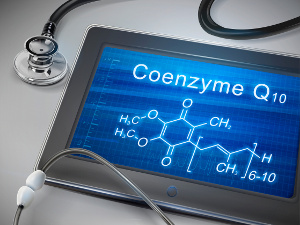 Hereditary hemochromatosis is a group of diseases that involve iron accumulation in the body. This leads to oxidative stress and tissue destruction which may affect the liver and other organs. According to a new Argentinian study, patients with hereditary hemochromatosis lack Q10 in their blood. Because Q10 is of vital importance to the cellular energy turnover and it also serves as a powerful antioxidant against oxidative stress, a Q10 deficiency will contribute to the disease. This, the researchers behind the new study explain, is why Q10 may represent a new and safe agent for treating the condition.
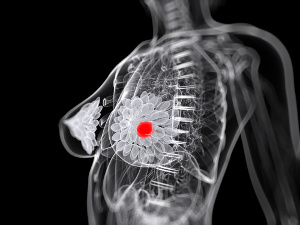 Breast cancer is the leading cancer form among women. Even though treatments have gotten a lot better the disease still has a high death toll. A Swedish-German study shows that having low levels of selenium in the blood worsens the prognosis, whereas having a higher selenium content in the blood can increase the odds of surviving breast cancer. Unfortunately, selenium deficiency is rather common in Europe. According to the scientists behind the new study, measurements of selenium status can be used to optimize blood levels of the nutrient, thereby improving treatment correspondingly.