


Q10 lowers the side effects of cholesterol-lowering drugs
 Cholesterol-lowering statins are associated with side effects such as aching muscles, fatigue, memory problems, diabetes, and poor sleep. At a molecular level, these drugs interfere with the body’s synthesis of Q10, which we need for cellular energy turnover. Moreover, Q10 is a powerful antioxidant that protects the cells against free radical damage. According to a review article published in the journal Cureus, Q10 supplements may lower side effects such as muscle pain.


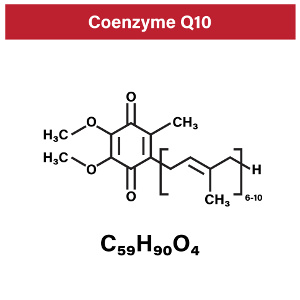 The body uses inflammation as part of its normal immune response to infections and tissue damage. If inflammation becomes chronic, however, it can be extremely dangerous. What happens is that it bombards the body with free radicals. This leads to oxidative stress and increases the risk of cell damage, overweight, and chronic diseases like type 2 diabetes, cardiovascular disease, autoimmune diseases, and different cancer forms. Diet and lifestyle play a major role, and according to a meta-analysis published in Frontiers in Pharmacology, Q10 supplementation can lower several markers of inflammation and oxidative stress.
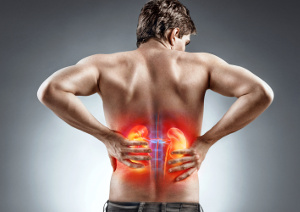 Kidney stones is a painful and quite common problem. The diet plays a major role and according to a large American population study published in Nutrients, selenium may help prevent the condition. The authors mention that selenium-containing proteins and antioxidants have preventative mechanisms and due to the widespread problems with selenium-depleted farmland, they say that selenium supplementation may be a good way to prevent and manage kidney stones and other pathological changes.
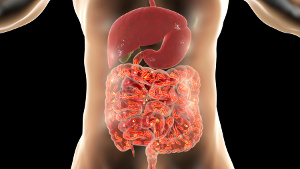 Selenium is an essential trace element of vital importance to our general health. The nutrient is also important for our gut flora, and being selenium-deficient may increase the risk of irritable bowel syndrome, inflammatory gut diseases like Crohn’s disease and ulcerous colitis, and even bowel cancer. Our intestine is also called our “third brain” because both our gut flora and digestion have a significant influence on our mental well-being, according to a review article published in Frontiers in Nutrition. The authors focus on selenium because selenium deficiencies are common in China, Europe, and many other places, and supplementation may be necessary.
 Both physical traumas and critical illnesses are associated with inflammation and oxidative stress where free radicals can cause potentially life-threatening damage to cells and tissues. Traumas are estimated to be the cause of one in ten deaths. New research suggests that early intervention with selenium may shorten the hospital stay including the days spent in intensive care and reduce total mortality. This was shown in a study published in Frontiers in Nutrition where the researchers looked closer at selenium’s unique antioxidant properties and anti-inflammatory effect.
 The brain is particularly vulnerable towards oxidative stress and local inflammation that can set the stage for Alzheimer’s disease and other neurological conditions. However, it turns out that certain selenium-containing antioxidants are able to protect the brain neurons against damage. Also, selenium supplements can improve cognitive performance in patients suffering from mild cognitive impairment and Alzheimer’s disease, according to a meta-analysis that is published in Nutrients.
 Q10 is a popular supplement for boosting energy levels and supporting circulatory health. According to a new meta-analysis that is published in Molecular Nutrition Food Research, the compound is also able to inhibit inflammation, which is the common thread in most chronic diseases. This requires sufficiently high doses of the compound, and it is also important to take high-quality supplements with documented absorption.