Prostate cancer is the most common cancer form among men. In terms of existing therapies, there is room for improvement. According to a Polish study that is published in Nutrients, higher levels of selenium and zinc in the blood can improve survival. The study authors mention that these two nutrients also protect against other cancer forms.
Hypertension and other cardiovascular diseases account for the majority of deaths. Diet and lifestyle are highly relevant, and it also appears that there is a significant linear relation between selenium intake and the risk of developing hypertension, according to a population study published in Frontiers in Immunology. The authors also mention selenium’s role in relation to blood pressure, and because selenium deficiencies are quite common, we need to look closer at this relation.
The rate of inflammatory bowel diseases like ulcerous colitis is growing, and diet plays a major role. Even if you eat a healthy diet, it can be a challenge to get enough selenium because of the selenium-depleted soil in our part of the world. Apparently, selenium supplementation can lower the disease activity and improve quality of life in patients with ulcerous colitis.
Our bodies naturally produce Q10, a compound with a crucial role in cellular energy metabolism that also functions as an antioxidant and protects against cell damage. Our natural production of Q10 declines significantly with age and as a result of various stress factors, thereby accelerating signs of aging. This also affects the condition of the skin. Research suggests that skincare products containing Q10 may slow down visible signs of aging, such as wrinkles and sagging skin. This is supported by a review article published in The Journal of Clinical Aesthetic Dermatology. Additionally, previous studies indicate that high-quality Q10 supplements may have potential benefits in counteracting various aging processes and the development of chronic diseases.
When cells convert the calories from food into energy, a variety of B vitamins, vitamin C, iron, magnesium, zinc, and Q10 are needed. This also means that a deficiency in one or more of these substances can result in mental and physical fatigue to a greater or lesser extent. The impaired energy metabolism of the cells also increases the risk of mood swings, concentration difficulty, infections, and other diseases. Modern lifestyle, ageing processes, medications, and other factors cause serious deficiencies, but these deficiencies can be corrected with help from dietary changes and relevant supplements.
Newly diagnosed cancer patients often lack selenium. Not only does this contribute to the development of the disease, but it also worsens the prognosis. An estimated one billion people worldwide are selenium-deficient and there are many things that can explain it. High-doses selenium supplementation of cancer patients seems to have a positive effect on their health and quality of life during rehabilitation, and the best effect is seen when blood selenium levels remain high, according to a German study published in Nutrients.
Cholesterol is an essential compound with many different functions. However, it can also turn into a potentially dangerous substance if it oxidizes and is embedded in the blood vessel walls. This oxidative process is what eventually leads to atherosclerosis. The trace element selenium protects against atherosclerosis because of its antioxidant properties and because of other mechanisms, according to a review article published in Biomedicine. This is highly relevant in our part of the world where cardiovascular disease is the leading cause of death, and where selenium deficiency is so widespread.
Selenium is involved in enzymes that activate thyroid hormones. It is also part of several antioxidants that protect cells and the circulatory system from damage caused by free radicals. Additionally, selenium is crucial for the optimal utilization of Q10, which plays a role in cellular energy metabolism. However, selenium intake in many European countries is too low, mainly due to depleted soil. At the same time, the body’s endogenous production of Q10 declines significantly with age. This can lead to metabolic disorders, atherosclerosis, fatigue, and other deficiency-related conditions. According to a follow-up study published in BMC Medicine, supplementation with selenium and Q10 has a positive effect on thyroid hormones, circulation, quality of life, and lifespan.
Hashimoto’s thyroiditis is the most common underlying cause of hypothyroidism. It is characterized by extreme fatigue, weight gain, and a number of other symptoms. Hashimoto’s is an autoimmune condition where antibodies attack the thyroid gland. Many people who get treatment for their disease don’t improve, on the contrary. According to a meta-analysis published in Medicine, however, selenium supplementation appears to be able to reduce the autoimmune reactions and the body’s production of the different antibodies. Selenium helps control the thyroid function but also serves as an antioxidant that protects the thyroid gland against oxidative stress.
Cholesterol-lowering statins are associated with side effects such as aching muscles, fatigue, memory problems, diabetes, and poor sleep. At a molecular level, these drugs interfere with the body’s synthesis of Q10, which we need for cellular energy turnover. Moreover, Q10 is a powerful antioxidant that protects the cells against free radical damage. According to a review article published in the journal Cureus, Q10 supplements may lower side effects such as muscle pain.
Q10 is important for cellular energy turnover, and it is also a powerful antioxidant that protects cells and the circulatory system. We synthesize most of our own coenzyme Q10. According to a new in vitro study that is published in Scientific Reports, commonly used medical drugs such as the bisphosphonates, alendronate and zoledronate, for treating osteoporosis block the body’s Q10 synthesis, thereby impairing the energy production in cells, the antioxidant defense, and other metabolic processes. Earlier research has shown that cholesterol-lowering statins lower the endogenous Q10 synthesis, causing side effects such as tiredness, aching muscles, and impotence. It may therefore be a good idea for patients on this type of medication to take a Q10 supplement to prevent or mitigate the adverse effects.
Having too little selenoprotein P in your blood increases the risk of heart failure, according to a Swedish population study, in which the authors look closer at selenoprotein P’s role as a marker of the body’s selenium status and as a precursor of other selenoproteins. We need more than 100 micrograms of selenium daily to properly saturate selenoprotein P, but because the European soil is low in selenium it is difficult to get enough from the diet.
The body uses inflammation as part of its normal immune response to infections and tissue damage. If inflammation becomes chronic, however, it can be extremely dangerous. What happens is that it bombards the body with free radicals. This leads to oxidative stress and increases the risk of cell damage, overweight, and chronic diseases like type 2 diabetes, cardiovascular disease, autoimmune diseases, and different cancer forms. Diet and lifestyle play a major role, and according to a meta-analysis published in Frontiers in Pharmacology, Q10 supplementation can lower several markers of inflammation and oxidative stress.
Kidney stones is a painful and quite common problem. The diet plays a major role and according to a large American population study published in Nutrients, selenium may help prevent the condition. The authors mention that selenium-containing proteins and antioxidants have preventative mechanisms and due to the widespread problems with selenium-depleted farmland, they say that selenium supplementation may be a good way to prevent and manage kidney stones and other pathological changes.
Selenium is an essential trace element of vital importance to our general health. The nutrient is also important for our gut flora, and being selenium-deficient may increase the risk of irritable bowel syndrome, inflammatory gut diseases like Crohn’s disease and ulcerous colitis, and even bowel cancer. Our intestine is also called our “third brain” because both our gut flora and digestion have a significant influence on our mental well-being, according to a review article published in Frontiers in Nutrition. The authors focus on selenium because selenium deficiencies are common in China, Europe, and many other places, and supplementation may be necessary.
Both physical traumas and critical illnesses are associated with inflammation and oxidative stress where free radicals can cause potentially life-threatening damage to cells and tissues. Traumas are estimated to be the cause of one in ten deaths. New research suggests that early intervention with selenium may shorten the hospital stay including the days spent in intensive care and reduce total mortality. This was shown in a study published in Frontiers in Nutrition where the researchers looked closer at selenium’s unique antioxidant properties and anti-inflammatory effect.
The brain is particularly vulnerable towards oxidative stress and local inflammation that can set the stage for Alzheimer’s disease and other neurological conditions. However, it turns out that certain selenium-containing antioxidants are able to protect the brain neurons against damage. Also, selenium supplements can improve cognitive performance in patients suffering from mild cognitive impairment and Alzheimer’s disease, according to a meta-analysis that is published in Nutrients.
Q10 is a popular supplement for boosting energy levels and supporting circulatory health. According to a new meta-analysis that is published in Molecular Nutrition Food Research, the compound is also able to inhibit inflammation, which is the common thread in most chronic diseases. This requires sufficiently high doses of the compound, and it is also important to take high-quality supplements with documented absorption.
Yes, according to a new study published in Free Radical Biology & Medicine, lack of selenium lowers the kidneys’ sodium excretion via different mechanisms, and that leads to elevated blood pressure. The study results are highly relevant because hypertension and subsequent premature death is a growing global problem. Selenium deficiency is also a widespread problem. One billion people worldwide are believed to be lack this essential nutrient, primarily because of the selenium-depleted agricultural soil in large parts of China, Europe, and other places.
Selenium is an essential trace element that affects the rate and development of several cancer types, including cervical cancer that is one of the most common cancer forms. Cervical cancer is often treated with a combination of radiation and chemotherapy and the side effects are known to affect the bone marrow and the formation of blood platelets and blood cells. However, supplementation with selenium yeast appears to counteract these adverse effects without interfering with the treatment, according to a study that is published in Frontiers in Nutrition.
Neurological disorders such as Alzheimer’s disease, dementia, depression, Parkinson’s disease, stroke, migraine, and fibromyalgia are rather common. These conditions are a result of imbalances in the nervous system, and they are often insidious. In a new review article that is published in Frontiers in Neuroscience, researchers have studied Q10’s role in the different neurological disorders. The reason for this is that Q10 is important for cellular energy turnover and serves as an antioxidant that protects the circulatory system and the nerve cells against oxidative damage. As we grow older, our endogenous Q10 synthesis decreases, and certain diseases and medical drugs also impair the body’s Q10 synthesis.
Q10 has a key role in the cellular energy turnover and also serves as an antioxidant that protects the body against oxidative stress. Disruptions in the energy-producing mitochondria in cells and oxidative stress may also be involved in different types of hormone disturbances that affect the thyroid gland, pancreas, sex glands, pituitary gland, and the adrenal glands. In a new review article that is published in Antioxidants, scientists look closer at Q10’s role with particular focus on hyperthyroidism, type 2 diabetes, and poor sperm quality, all of which can be corrected through supplementation.
After a COVID-19 infection many people experience chronic symptoms such as fatigue, muscle pain, depression, and sleep disturbances. According to a study that is published in Clinical and Experimental Medicine, supplementing with Q10 and alpha-lipoic acid may help against tiredness and certain other symptoms. The authors describe how Q10 and alpha-lipoic acid support the cellular energy turnover in different ways and serve as antioxidants that protect cells against oxidative stress and cellular damage.
Over the past decades, numerous studies have linked low selenium levels in the blood to cardiovascular disease, cancer, increased risk of infection, thyroid disorders, and several other diseases. Due to the widespread problems with selenium deficiency, supplementation with this nutrient is of potential value to our general health. In a review article that is published in Oxidative Medicine and Cellular Longevity, the authors look at selenium’s role in connection with a host of different diseases and metabolic disorders.
Q10 is a key element in the cellular energy turnover and also serves as a protective antioxidant. The human body is able to make most of its own Q10 but as we grow older, our endogenous Q10 synthesis decreases, and this is also the case with certain diseases and as a result of using specific types of medicine. A large meta-analysis has shown that Q10 supplementation is able to reduce chronic fatigue in healthy individuals as well as in people with diseases. Apparently, taking larger doses for longer periods of time works best for energy levels. It is important to choose a Q10 supplement that has the right quality and comes with documentation to ensure that the Q10 molecules are absorbed properly in the blood and reach the energy-producing powerhouses of the cells.
Selenium is a trace element that supports well over 25 different selenoproteins, which are important for our energy turnover, blood sugar balance, metabolism, cell protection, and a host of other essential functions. A group of scientists from Rutgers University in New Jersey, USA, has just uncovered the mechanisms involved in getting selenium into the “engine room” of the cells, from where it is metabolized into the different selenoproteins. According to the scientists, this new insight into the metabolism of selenium may lead to new therapies that can treat a variety of diseases such as diabetes, metabolic disorders, and cancer.
Cardiovascular diseases are the leading cause of death. However, in 2013, Professor Urban Alehagen, a Swedish cardiologist, demonstrated that giving supplements of selenium and Q10 to seniors could strengthen their hearts and reduce their cardiovascular mortality rate by over 50 percent. In follow-ups of his research, it was seen that the two supplements had a long-term effect on lifespan, but there is more to the story. In a whole new study that is published in European Journal of Nutrition, Alehagen manages to show in detail that selenium and Q10 have a positive effect on oxidative stress and inflammation at the same time as improving a number of biomarkers of heart health. He also explains why it can be a challenge to get enough Q10 and selenium through an entire life.
Primary Q10 deficiency is a rare dysfunction where the body’s missing ability to synthesize Q10 can lead to a rare type of nephrotic disease that cannot be treated with medicine. According to a new study that is published in Kidney International, however, it appears that Q10 supplementation can reduce the kidneys’ protein excretion, protect renal function, and lower mortality. Based on their findings, the scientists conclude that all patients with primary Q10 deficiency should ideally receive early and life-long Q10 therapy in order to prevent the disease from progressing and to avoid future organ damage.
A previous study has demonstrated that daily supplementation with coenzyme Q10 and selenium increases heart muscle strength in seniors and reduces their cardiovascular mortality by over 50 percent. Now, a team of Swedish and Norwegian scientists has found that these two nutrients are also able to slow down the age-related shortening of cellular telomeres, which are attached to the ends of all DNA strands. You can compare telomeres to the small aglets that prevent our shoelaces from fraying and tangling. Like aglets, telomeres protect the DNA strands, but they are exposed to attrition and eventually wear out. The more worn our telomeres become, the more exposed the cellular DNA becomes, until it reaches the point where the cell finally perishes. Q10 and selenium appear to preserve telomere length, thereby keeping us in good health for longer time.
During pregnancy, the unborn child needs different nutrients for proper development of its brain and nervous system. Even if the mother eats a balanced diet, it can be difficult to get enough selenium for a number of reasons. In a new Italian animal study that is published in Nutrients, scientists have looked closer at selenium’s role during pregnancy and lactation. They observed that even minor selenium deficiencies can have a negative effect on the offspring’s brain development and behavior. This study supports earlier human studies showing how vital it is for the mother to get plenty of selenium during pregnancy and breastfeeding.
It’s commonly known that physical activity boosts the brain’s ability to form new brain cells – or neurons. Still, the underlying mechanisms have been a mystery to science. A team of Australian scientists, however, has recently discovered that, during exercise, mice produce a selenium-containing protein that helps the brain synthesize new brain cells. The scientists consider this to be a rather fantastic study, and it is assumed that selenium therapy may be used in the future to prevent and treat cognitive decline in people who are unable to carry out physical exercise or in those likely to be selenium-deficient. This is particularly relevant for Alzheimer’s patients and people who have suffered a stroke. It should be added that it can be quite a challenge to get enough selenium from an otherwise balanced diet in our part of the world.
Colorectal cancer is one of the most common cancer types. Although the diet is of huge importance, the understanding of minerals and their interactions and preventative effect is limited. Earlier studies have shown that calcium and selenium have protective roles. It also looks as if having more selenium in the blood can improve the effect of calcium. This was demonstrated in a new Polish study that is published in BMC Nutrition. The scientists point out that there is widespread selenium deficiency in Europe and that supplementation may be needed.
Q10 is a unique and wonderful coenzyme with a key function in energy turnover and a role as a powerful antioxidant. The body produces the lion’s share Q10 for its own needs but the endogenous synthesis of the compound decreases with age. Moreover, cholesterol-lowering statins and bisphosphonates used to treat osteoporosis disrupt the body’s Q10 synthesis. Over the past decades, numerous studies have shown that Q10 supplementation can slow down the ageing process. Q10 is also useful in connection with heart failure and several other chronic ailments that typically occur in old age. This is described in a review article that is published in Mechanisms of Ageing and Development. With Q10 supplements, it’s important to choose pharmaceutical-grade products with documented quality and bioavailability.
Selenium supports a host of different metabolic processes and serves as an antioxidant that protects our cells. According to recent studies, selenium also has anti-ageing properties that protect us against cardiovascular disease, cancer, dementia, and other age-related diseases. According to a review article published in Medical News Today, selenium also helps against impaired immunity and counteracts chronic inflammation, which is typically seen in connection with ageing processes. A Swedish study of healthy seniors has even showed that supplementation with selenium and Q10 has a positive effect on heart function, quality of life, and life expectancy.
Hereditary hemochromatosis is a group of diseases that involve iron accumulation in the body. This leads to oxidative stress and tissue destruction which may affect the liver and other organs. According to a new Argentinian study, patients with hereditary hemochromatosis lack Q10 in their blood. Because Q10 is of vital importance to the cellular energy turnover and it also serves as a powerful antioxidant against oxidative stress, a Q10 deficiency will contribute to the disease. This, the researchers behind the new study explain, is why Q10 may represent a new and safe agent for treating the condition.
Breast cancer is the leading cancer form among women. Even though treatments have gotten a lot better the disease still has a high death toll. A Swedish-German study shows that having low levels of selenium in the blood worsens the prognosis, whereas having a higher selenium content in the blood can increase the odds of surviving breast cancer. Unfortunately, selenium deficiency is rather common in Europe. According to the scientists behind the new study, measurements of selenium status can be used to optimize blood levels of the nutrient, thereby improving treatment correspondingly.
The need for the trace element selenium is increased in pregnant and breastfeeding women because it supports a host of different proteins that are particularly important for tissue growth. Also, selenium supports different antioxidants that protect the unborn baby’s organs and tissues. A new review article published in Nutrients shows that lack of selenium during pregnancy may result in oxidative stress, stunted growth, and low birth weight. This may eventually have consequences for the baby’s development, cognitive skills, and health in general. The authors also mention that an expecting mother’s alcohol abuse may have a more negative health impact if she is selenium-deficient. It is a problem that selenium deficiency is such a widespread problem in Europe and other parts of the world.
Selenium has an overlooked role in sperm quality and healthy pregnancies. A team of scientists from Romania has looked closer at blood levels of different selenium-containing antioxidants and found that low levels are significantly correlated with poor sperm quality. The scientists also explain that lack of selenium increases the risk of pregnancy-related complications, miscarriage, and preterm delivery. Both selenium deficiencies and infertility are common problems so selenium supplementation may be worth considering. For decades, Danish farmers have added selenium to animal fodder as a way of improving the fertility and general health of the animals.
Diabetes damages the circulatory system in a number of ways that are linked to impaired quality of life and early death. A meta-analysis shows that if type 2 diabetics take supplements of Q10 it lowers their risk of cardiovascular disease by reducing levels of total cholesterol and LDL cholesterol. Another positive effect of Q10 is that it serves as a unique antioxidant that counteracts oxidative stress, which is a major cause of atherosclerosis and cardiovascular damage. One of the problems of using cholesterol-lowering statins is that it inhibits the body’s endogenous Q10 synthesis, but this is something one can compensate for. According to Danish research, it is also a good idea to limit your carbohydrate intake and follow the new dietary guidelines that help stabilize blood sugar levels.
When it comes to COVID-19 and other seasonal virus infections most of the focus is concentrated on vitamin D deficiency. According to a Belgian study, however, lack of selenium and zinc additionally increases the risk of infections, complications, and death, especially among patients who already suffer from chronic diseases. The scientists conclude that supplementation with selenium and zinc may help improve treatments. Selenium and zinc deficiencies are rather common and that is a problem for public health. Even with a healthy diet, it is practically impossible for Europeans to get enough selenium because of the nutrient-depleted farmland. There are also many people with zinc deficiencies due to unhealthy diets, ageing, chronic diseases, and other contributing factors. We must be much more focused on getting enough selenium and zinc, not least for the sake of preventing virus infections and other problems.
Q10 is a unique compound with a key role in cellular energy turnover. It also serves as a powerful antioxidant. The body is able to synthesize most of the Q10 that it needs but as we grow older, our endogenous synthesis decreases, making us vulnerable in different ways. Cholesterol-lowering medicine and certain types of disease are also associated with lower levels of Q10 in the body. In a new review article, a group of scientists have scrutinized hundreds of Q10 studies that have been published in the years 2010-2020. They are able to conclude that Q10 is of particular importance to the heart, circulatory system, fertility, muscles, eyes and vision, and the ageing process. Things like migraines, chronic fatigue syndrome, and neurodegenerative diseases such as Parkinson’s and Alzheimer’s disease are also addressed. The body has difficulty with absorbing Q10 from food and supplements so it is recommendable to always choose a pharmaceutical-grade Q10 preparation with documented bioavailability.
Selenium is a trace element with a number of essential functions. An estimated one billion people worldwide get too little dietary selenium. The problem is mainly a result of nutrient-depleted farmland. Moreover, blood levels of selenium drop drastically in connection with COVID-19 infections, serious illness, and pregnancy because the body has an increased need for the nutrient. Altogether, selenium deficiency increases the risk of complicated COVID-19 infections, autoimmune diseases such as rheumatoid arthritis, Hashimoto’s thyroiditis, preterm delivery, and miscarriage. Supplementation may help optimize blood levels of selenium, which can be relevant for preventing and treating a number of common diseases, according to an article that is published in International Journal of Medical Sciences.
Selenium is involved in a number of different metabolic processes and works as an antioxidant, which protects the heart and cardiovascular system, but it is difficult to get enough of the nutrient from the diet. According to a new American mouse study, selenium supplementation can speed up the metabolic processes and protect against overweight. A Swedish study of seniors published some time ago showed that supplements of selenium and Q10 has a positive effect on quality of life and lifespan.
Cardiovascular diseases are widespread and one of the major causes of death. The risk is increased by factors such as ageing, diabetes, and overweight. One of the underlying causes is oxidative stress, which is an imbalance between free radicals and antioxidants. Q10, which is involved in cellular energy turnover, happens to be one of the most powerful antioxidants. According to a review article that is published in the scientific journal Antioxidants, supplementation with Q10 can reduce oxidative stress and cardiovascular mortality. It can also improve quality of life and increase the chances of survival. Generally speaking, Q10 has a huge potential for anyone with a desire to remain healthy, and it is important to choose a supplement with documented quality and bioavailability.
Having higher blood levels of selenium, an essential trace element, increases a breast cancer patient’s chances of 10-year survival, according to a Polish population study that is published in the science journal Nutrients. Also, earlier research has shown that supplementation with selenium yeast can lower the risk of contracting a variety of different cancer forms. The agricultural soil in Europe is very low in selenium and that is one of the reasons why selenium deficiencies are so common. The question is how much selenium we need to optimize levels in the blood.
Our nutritional status is of vital importance to our health and our ability to handle infections. Selenium has several functions in the immune system, including its role as an antioxidant and in counteracting unwanted inflammation. Selenium is also able to prevent virus from mutating and becoming more virulent or creating new waves of disease. A team of Chinese scientists have reviewed a number of studies of selenium and its key role in the defense against influenza, HIV, and other types of RNA virus. They have found, among other things, that the risk of contracting a COVID-19 infection is 10 times lower in areas where the soil is rich in selenium. Therefore, it is a huge problem that selenium deficiency due to selenium-depleted farmland is so widespread in Europe, China, Africa, and many other places.
The kidneys cleanse our blood. Well-functioning kidneys are vital for the circulatory system and good health in general. Normal functioning of cells, including kidney cells, hinges on a host of different selenium-containing proteins and coenzyme Q10. Studies show that older people in many parts of the world, Europe included, have deficiencies of both substances. Therefore, a team of Swedish scientists conducted a study where they looked at selenium status and kidney function in a group of seniors. They gave selenium yeast and coenzyme Q10 or placebo to the participants for a period of four years. The results showed that the supplemented group as compared with the placebo group had improved kidney function according to several parameters. The positive effect on cellular energy metabolism, inflammation, and oxidative stress was attributed to the two supplements. The study is published in the science journal Nutrients.
Selenium is an essential trace element that supports a host of different proteins and antioxidants that are important for pregnancy. According to a new Norwegian population study that is published in the science journal Nutrients, lack of selenium during pregnancy may stunt the growth of the fetus and result in low birth weight. This may have consequences for the child’s growth, cognitive skills, and health. Selenium deficiencies are rather common in Norway and the rest of Europe and that is a problem.
Selenium supports a number of different selenium-dependent proteins that are important for our energy turnover, metabolism, immune defense, fertility, and antioxidant protection. Selenium also has a special affinity for mercury and is therefore able to bind to this heavy metal and counteract its harmful impact on the brain, the nervous system, and other tissues. Once selenium is bound to mercury, however, the different selenoproteins are no longer able to use it. We are all exposed to a certain amount of mercury and that may result in a borderline deficiency of selenium. The problem is that other factors weigh in such as selenium-depleted crops because of the lack of selenium in the European farmland. What is important to realize is that mercury toxicity is insidious and certain fish such as predatory fish and whales in the upper part of the food chain contain large concentrations of mercury. However, therapeutic doses of selenium can prevent the toxic effect of the heavy metal, according to a new review article published in Scientific Research.
Q10 is involved in the cellular energy turnover and it is also a powerful antioxidant that protects cells, tissues, and the cardiovascular system in several ways. Humans synthesize most of their own Q10 but the endogenous production of the compound decreases with age. Besides, certain diseases are associated with lowered endogenous coenzyme Q10 synthesis, and scientists have observed that Q10 supplementation has the potential to attenuate various symptoms linked to heart disease, diabetes, kidney disease, migraine, chronic fatigue syndrome, and fibromyalgia. Q10 can also improve the heart function in older, healthy people, thereby lowering their risk of dying of heart disease. It is difficult for the body to absorb Q10, which is why scientists emphasize the importance of using pharmaceutical-grade supplements. This topic was addressed in a review article published online by www.nutraingredients.com.
Millions of people take painkillers such as Panadol or Calpol that contain paracetamol, and an estimated one billion people or so lack selenium due to nutrient-depleted farmland. This is an unfortunate cocktail because being deficient of selenium increases the risk of using paracetamol, so even the recommended dosage burdens the liver to such an extent that it causes toxicity and increase the risk of side effects. This was demonstrated in a collaborative study carried out by Bath University in England and Southwest University in China.
Life cannot exist without coenzyme Q10. The compound is necessary for the energy turnover in all our cells. It also functions as a powerful antioxidant that protects the heart and cardiovascular system against oxidative stress. Humans are able to synthesize Q10 but our endogenous production decreases with age. Heart failure patients also have reduced levels of Q10 which can be fatal, but decades of research have shown that Q10 supplements can improve quality of life and reduce mortality by close to 50 percent, according to a review article in Journal of Clinical Medicine. Here, the authors refer to 90 published articles. It is also important to get enough selenium, which helps Q10 function optimally.
Around one billion people worldwide are believed to lack selenium, mainly due to nutrient-depleted farmland. Selenium deficiency makes us more vulnerable to infections and increases the risk of a virus mutating and becoming more dangerous. This was shown in previous studies of RNA virus that can cause influenza, hepatitis, HIV, and Keshan disease. Coronavirus that causes the common cold and COVID-19 infections also belongs to the group of RNA virus and has a unique ability to mutate. Three new mutated virus types have been found in mink and stand in the way of a future vaccine. Therefore, we are forced to bolster our immune defense, which is designed to attack virus from different angles. Still, even if we eat a healthy diet it can be challenging to get enough selenium, and that is why an increasing number of international researchers now recommend selenium supplements to help fight coronavirus.
The cells in our body are constantly renewed but they can only divide a limited number of times. It all depends on the length of their telomeres, which one can compare to the protective plastic tips at the ends of shoelaces. Every time a cell divides, its telomeres are reduced in length, bringing the cell closer to its terminal phase. Now, a Chinese study has revealed that higher selenium intake is linked to increased telomere length. Put differently, a higher selenium intake contributes to protecting the cells and allowing them to replicate more times. This may likely postpone the ageing process and extend our lifespan, and there are other studies that suggest the same. It is worth making a note of the fact that selenium deficiency is widespread in Europe and throughout the world.
- which is a common, life-threatening blood poisoning
According to WHO, sepsis is the third-most common cause of death, following cardiovascular disease and death. Sepsis is a result of the immune defense overreacting to an infection in the bloodstream. According to a new Slovakian study published in Bratislava Medical Journal, if you start supplementing with Q10 early in the treatment phase, it may reduce the symptoms and improve the chances of survival. Read more about another nutrient that contributes to the prevention of sepsis.
The trace element selenium has a vital yet overlooked role in ensuring a well-functioning immune system, and the widespread problems with selenium deficiency increase the risk of dying of COVID-19, according to a large German study that is published in the science journal Nutrients. The scientists therefore conclude that determining the patients’ blood selenium levels may provide vital diagnostic information. Also, the researchers conclude that it may be necessary to include selenium supplements in the treatment of COVID-19, especially with older people, diabetics, and those with chronic diseases that are at particular risk of life-threatening complications. The agricultural soil in Europe and other parts of the world contains relatively little selenium, which is why it is imperative to focus more on getting adequate amounts of this essential nutrient for the sake of preventing COVID-19 and other viral infections. It appears that the official recommendations – the so-called reference intake levels or RI – are not sufficient to meet the body’s actual requirements.
The blood supply to the retina of the eye is crucial for good vision. For that reason, experts recommend taking antioxidant supplements against eye diseases caused by an impaired blood supply to the retina. Although there is lacking evidence for the effectiveness of such supplements it appears now that Q10 and other antioxidants may improve vision when used in combination with conventional therapies, according to a Spanish study that is published in Nutrients. Because the body has difficulty with absorbing Q10 from supplements it is important to choose a supplement that has good bioavailability.
High-dosed supplementation with coenzyme Q10 is able to reduce the frequency, severity, and duration of migraine attacks, which is because the compound reduces levels of a brain peptide that causes pain and inflammation. This was shown in a groundbreaking study that is published in Nutritional Neuroscience. Pharmaceutical companies are now working around the clock to develop a patentable drug that is able to block this peptide, but migraine sufferers may just as well use Q10. It is already available without a prescription. Always choose a high-quality product with documented bioavailability to ensure that the Q10 molecules reach the energy-producing mitochondria of the cells. The reason why migraine sufferers may have an increased need for coenzyme Q10 is that they have mitochondrial defects.
Involuntary childlessness has become increasingly common. Many women find themselves in a race against time, and their biological clock keeps ticking louder and louder. Fertility therapies, miscarriages, preeclampsia, and other complications during pregnancy contribute to the physical and emotional burden. In a new Australian study that is published in Nutrients, the authors write about selenium and zinc and how these nutrients play an important role in fertility and a healthy pregnancy. They also address the problems with widespread selenium deficiency and point out that environmental toxins like mercury deplete levels of vital selenium-containing proteins in the body. The scientists point to supplements for fighting deficiencies, just like folic acid and iron are routinely recommended to pregnant women. It pays off to choose selenium yeast with multiple organic selenium compounds and organic zinc to help improve the bioavailability and utilization of the nutrients.
The majority of supplements with vitamins and minerals fails to extend life or protect against cardiovascular disease, although fish oil does seem to have a good effect, according to a large review from John Hopkins University. On the other hand, a Danish study shows that blood levels of vitamin D are crucial for a person’s expected lifespan, and a groundbreaking Swedish study shows that patented supplements with Q10 and selenium benefit older people by improving their cardiac health and reducing cardiovascular mortality by 50%. What matters is to use supplements that contain nutrients in the right quantity, which have a proper quality and can be absorbed by the body. In the following, you can read more about the different studies and learn how you can improve your heart health and increase your chances of a longer life.
An international science team from the University of Surrey in England has found a link between low selenium levels in the soil and the risk od COVID-19 infections becoming lethal. Professor Margaret Rayman, who headed the study, has spent decades studying the global lack of selenium that is known to impair the ability of the immune system to tackle virus infections and new epidemics. The farmlands in large parts of the world, including Europe and China, are low in selenium, and it is vital to have more focus on this essential nutrient.
The number of seniors in the world is growing. It hardly comes as a surprise that old people wish to stay mentally and physically fit and enjoy every minute of the of life. Nonetheless, many middle-aged and older people feel tired and lethargic, or they suffer from chronic diseases that impair their quality of life and are associated with shorter life expectancy. In his book, Coenzyme Q10 – An Insider’s Guide, Dr. William V. Judy looks closer at how Q10 is able to delay the ageing process at a cellular level by increasing energy levels, supporting heart health, and preventing atherosclerosis and other chronic diseases that are linked to ageing. Combined supplementation with Q10 and selenium can even delay the risk of early death by over 50 percent. Dr. Judy makes a point of saying how important it is to choose pharmaceutical-grade Q10 that the body can absorb and utilize.
- and increases the risk of degenerative disease and early death
It is commonly known that degenerative diseases such as cardiovascular disease, diabetes, kidney ailments, and liver diseases are often linked to poor quality of life and shorter lifespan. Supplementing with Q10, possibly in combination with selenium yeast, may have a positive influence on the mentioned conditions and lower your risk of premature death by as much as 50 percent or more. In fact, Q10 can help delay the ageing processes by protecting the heart, cardiovascular system, and cells, according to a large review article published online by NCBI (National Center for Biotechnology Information). As mentioned in this article, it is essential to use supplements that are pharmaceutical-grade in order to ensure proper absorption in blood and tissue.
Selenium is of vital importance to a strong immune defense. Still, selenium deficiency is a common problem and it increases the risk of viral infections such as influenza and the coronavirus from China, which is feared to turn into a global pandemic. It is a problem that selenium deficiency in infected animals and humans causes the virus to mutate and become more aggressive. Because of selenium’s important role as a powerful antioxidant, being deficient of this micronutrient may leave the body vulnerable to oxidative stress, which can cause tissue damage and complicate the virus infection. It is therefore important to get enough selenium at all times, as it also increases our resistance towards other viral infections such as herpes, HIV, and hepatitis, according to an article published in Nutrients.
Lack of selenium, an essential trace element, may cause thyroid disorders, cardiovascular disease, virus infections, AIDS, infertility, neurological disturbances, and cancer. An estimated one billion people worldwide are selenium-deficient. This is mainly a result of nutrient-depleted soil, which is a real problem in places like Europe. For decades, scientists have been warning about this problem, and a lot suggests that we need more than the officially recommended intake to protect ourselves effectively against disease, according to a review article published in StatPearls.
- with links to cancer, Parkinson’s disease, and other neurological disorders
The mitochondria are the powerhouses of our cells that churn out energy in a process that involves oxygen, Q10, selenium, and other nutrients. Around 100 years ago, the German Nobel Prize winner, Professor Otto Warburg, demonstrated that even if cancer can be caused by a number of secondary factors, there is only one primary cause: alterations in the mitochondrial oxygen turnover. In his recent book, Tripping over the Truth, molecular biologist Travis Christoffersen describes how contemporary scientists confirm Warburg’s theories and says that we need to look at prevention and cancer treatment from an entirely different angle. Other studies show that Parkinson’s disease, migraine, senility, chronic fatigue, fibromyalgia, epilepsy, and other neurological disorders may be rooted in defects of the mitochondria that have many other functions besides delivering energy. It is therefore vital to take care of the mitochondria throughout life. You can read more about the ketogenic diet that optimizes mitochondrial energy turnover in different mitochondrial diseases.
Selenium is a trace element that supports over 30 essential selenoproteins, which have numerous functions. For the first time ever, a study of Mexican children reveals that lack of selenium delays the growth of pubic hairs and the development of sex organs in boys. It is a known fact that the agricultural soil in Mexico is low in selenium and that affects the entire food chain. The same is the case in Europe, for which reason farmers for decades have supplemented livestock with selenium as a way of improving fertility and preventing a number of deficiency problems. The big question is to what extent can selenium deficiency problems explain the impaired sperm quality that has been observed among young men? An estimated 500 million to one billon people worldwide get too little selenium from their diet.
Infertility affects around one in seven couples. WHO considers it a global health problem. One of the leading causes is impaired semen quality, and Danish, Norwegian, and German men have lower sperm quality than any other male populations. Impaired sperm quality may be a result of an unhealthy lifestyle with stress, tobacco, stimulants, and hormone-disrupting compounds. On the other hand, scientists from Mexico have found that supplements of zinc, selenium, Q10, and omega-3 have an effect on the number of sperm cells and their quality. Other studies show that zinc and selenium protect sperm cells and are important for testosterone levels.
Selenium is an essential trace element that is important for the immune defense, metabolism, fertility, nervous system, and cancer prevention. An estimated one billion people worldwide are believed to be selenium-deficient. Because European agricultural soil is low in selenium, we Europeans are more exposed than others. It appears that selenium deficiencies increase our risk of many acute, chronic, and life-threatening diseases, and the official recommendations for daily intake are too low, according to a new article about selenium deficiency, which is published in the scientific American database NCBI (National Center for Biotechnology Information).
People, who eat nutrient-depleted diets, have an increased risk of contracting cancer, according to a French study that is published in PLoS Medicine. The scientists therefore recommend labeling food to help consumers make healthier choices. In the Nordic countries, we already have the “Keyhole label” on certain healthy food items, but even if you follow the official dietary guidelines, it may be difficult to get enough vitamin D and selenium, both of which are nutrients with several anti-cancer mechanisms.
Perhaps so. More and more studies reveal that it helps to take large quantities of Q10 and a vitamin B3 derivate. Q10 and vitamin B3 are both essential for the body’s energy turnover, which takes place inside the mitochondria of the cells. A more recent study shows that taking supplements of the mentioned nutrients can also have a positive effect on the heart, which is the body’s central motor.
Earlier studies have found a link between low selenium and overweight, but only few and limited studies have investigated this connection in children. Therefore, Chinese researchers wanted to take a closer look, and selenium levels in nail clippings give a rather accurate picture of the body’s general selenium status. Selenium deficiency is common in many parts of the world, including parts of China and Europe.
An estimated 500,000 Danes suffer from some kind of thyroid disorder, the most common of which is Hashimoto’s disease, which slows down your metabolism. The formation and activation of thyroid hormones depend on iodine and selenium, and it is essential that the two nutrients are properly balanced. Having too little or too much iodine increases your risk of Hashimoto’s disease, and the same is the case with selenium, a nutrient that many people lack. Some of the problems that are seen in people with slow metabolism are extreme fatigue, weight gain, constipation, cold sensitivity, swollen neck, and dry skin. The symptoms can vary, however, and many people still have not been given the proper diagnosis. Medical therapy with thyroid hormones will not necessarily solve the problem. In fact, as many as 20 percent of patients actually feel worse, although their blood tests appear to be normal. It is therefore important to focus more in the role of iodine and selenium in the metabolism.
Selenium is a constituent of at least 25 essential proteins (selenoproteins), including several antioxidants that protect cells against oxidative stress and disease. A team of researchers from Munich in Germany has mapped out the mechanisms, which the selenium-containing antioxidants use to protect neurons in the brain against cell death. The scientists see a whole new potential with selenium because of its ability to protect against neurological disorders and cancer. It is problematic, however, that we have widespread selenium deficiency in our part of the world. Even if you stick with the official dietary guidelines, it is very difficult to get enough selenium to saturate all the different selenoproteins.
- thereby contributing to far fewer cases of cardiac death
Q10 and selenium are powerful antioxidants that are important for the heart, cardiovascular system, and the energy turnover. As we grow older, our endogenous Q10 synthesis decreases, and many people lack selenium. A Swedish study has shown that older people who take supplements of Q10 and selenium have a 50 percent lower cardiovascular death rate. Another (more recent) Swedish study shows that Q10 and selenium also increase elderly peoples’ levels of IGF-1, a hormone with many functions in the body. The scientists assume that this helps reduce the risk of cardiac death among elderly people.
Even if you eat a healthy and balanced diet, it can be difficult to get enough selenium because of climate changes and nutrient depletion of the soil, especially in Europe. This was shown in a study conducted by Swiss scientists. Selenium is very important for the immune system, but how much do we need to be optimally protected against infections? There also appears to be a connection between widespread selenium deficiency and the increased rate of cancer.
- but dietary and lifestyle changes make a difference
Approximately one in seven couple is childless. Although there can be many underlying causes, poor sperm quality is an increasing problem. It may be caused by a lack of certain nutrients and exposure to different environmental factors, but, fortunately, it possible to improve sperm quality and increase the chances of conception by means of relevant dietary adjustments and the use of specific supplements. New research shows that epigenetic factors (factors that affect the environment of the sperm cell) determine sperm health and are therefore crucial for activating the genes of the sperm cell so the fetus can develop.
An international team of researchers has just completed a huge study of the possible link between maternal DNA, selenium deficiency, and preterm labor. Earlier studies have shown that women with low blood selenium have an increased risk of preterm birth and that selenium supplementation may lower that risk. A problem in that respect is that climate changes and soil depletion may increase the risk of selenium deficiencies, especially in Europe.
Climate changes and soil depletion increase the risk of selenium deficiency, especially in Europe as shown by Swiss scientists. Selenium is an essential nutrient, and existing studies clearly show that low selenium intake increases the risk of cancer, metabolic disorders, impaired immunity, poor sperm quality, and atherosclerosis. Selenium deficiencies are therefore to be taken seriously and should be prevented one way or another. A good way to get enough of the nutrient is by taking a high-quality selenium supplement.
Ageing processes are associated with loss of muscle mass and impaired physical performance, both of which tend to lower quality of life. It is commonly known that coenzyme Q10 plays a significant role in cellular energy turnover and protects against oxidative stress. Now, two independent cohort studies even show a relation between the body’s Q10 status and muscle strength. Earlier research even suggests that Q10 supplements may help older people develop more youthful muscle fibers. Individuals who take cholesterol-lowering statins are advised to take Q10 supplements.
All our cells contain different selenium compounds that support a number of vital functions, and which have several cancer-fighting mechanisms. As an antioxidant, selenium prevents iron from developing some of the most harmful free radicals that can damage cellular DNA and lead to uncontrolled cell division. This is why a selenium deficiency combined with excess iron is a lethal cocktail. Although iron is essential, it is vital that we do not get too much. It is also important to get plenty of selenium from food and/or supplements and in a form that the body can absorb and utilize in each and every cell in order to be properly protected against cancerous substances.
According to a Japanese study, some people with Parkinson’s disease may find that coenzyme Q10 helps to relieve their symptoms. Q10 occurs in two forms, both of which have vital functions, but the scientists observed that only the one form had a positive effect on Parkinson’s disease. Nonetheless, when supplementing with Q10, both forms are equally good. What matters is that the active compound can be absorbed. Once it has been absorbed, the body can shift from one form to the other, a process that also requires selenium.
Selenium is crucial for your thyroid function, immune system, cardiovascular system, and even for preventing cancer. Fish and shellfish are among the best selenium sources, but even 200 grams of fish and shellfish five days a week won’t do the trick, according to a Danish selenium study. What makes it even more difficult to obtain optimal amounts of this nutrient is that the agricultural soil in large parts of Europe is stripped of vital nutrients like selenium. Margaret P. Rayman, one of Europe’s leading experts on selenium, says that there is a direct link between the decreasing selenium intake and the increasing rate of cancers, rheumatism, infertility, and numerous other health problems. The question is, how do we humans get enough selenium?
- and lacking certain nutrients may play a vital role
New figures from the cancer database, Nordcan, reveal that Danish women hold the record in cancer prevalence, and both sexes still have the lowest cancer survival rate among the Nordic countries. Experts claim that this is linked to our lifestyle. However, cancer even occurs among people with healthy lifestyles, and international studies suggest that modern diets tend to lack optimal amounts of selenium, vitamin D and omega-3, all of which have cancer-preventive properties. Research also points to melatonin, also known as the sleep hormone.
Q10 is involved in the energy turnover in all cells. The highest concentration of the compound is found in the heart, as this muscle needs to pump day and night and to supply muscle cells with more blood when we are physically active. The cellular energy turnover takes place inside some minute powerhouses called mitochondria. A Danish-Swedish study has shown that the mitochondria in the muscle cells of top-notch athletes have a different construction that makes them able to produce up to 25 per cent more energy. Earlier studies show that Q10 is able to improve athletic performance, and it all boils down to optimizing the energy turnover in the cells.
Q10 is a coenzyme that is involved in cellular energy production and protection of our cells. There are numerous cosmetics with Q10 that are believed to delay skin ageing. However, only limited amounts of data have been available to prove the effect of Q10 on skin – until recently.
Women who eat a healthy diet may prevent or delay their physical deterioration. But what type of diet has the best effect? And how can specific nutrients, which are difficult to get from the diet, improve the overall effect?
- but ageing processes and cholesterol-lowering drugs inhibit the body’s Q10 synthesis
No matter how you twist and turn it, cholesterol is an essential substance, and we humans produce most of it ourselves. What is important is to make sure that the cholesterol we have in our blood does not oxidize, and that is something which Q10 and other antioxidants take care of. Stable blood sugar levels also help us maintain a healthy cholesterol balance.
A study has shown that many children and young people suffering from migraines lack coenzyme Q10 and several vitamins. While more research is needed before conclusions can be made, earlier studies have actually shown that Q10 supplementation may have a positive effect on migraine. Because migraine is common among children and adults it is obvious to take a closer look at the underlying cause and compensate for any deficiencies.
Many people suffer from chronic heart failure – often without knowing it. Numerous studies have shown that supplementing with Q10 can improve quality of life and even reduce mortality. An article published in Pharmacologic Therapy reviews the many Q10 studies and makes a point of saying that it is important to choose a Q10 preparation with good bioavailability.
A selenium deficiency may increase the risk of gluten intolerance/celiac disease, which can lead to metabolic disorders and vice versa. Because selenium deficiencies may be a result of eating a poor diet and suffering from malabsorption, this may easily turn into a vicious cycle.
Periodontal disease affects most people at some stage in life. However, according to a recent study that is published in Contemporary Clinical Dentistry, supplemental use of Q10 and tea tree oil may have potential benefits.
A new study links thyroid disorders to female infertility. At the same time, it is known that selenium, an essential micronutrient, is required for normal functioning of the thyroid gland. Modern diets are depleted of selenium and the question is: Could selenium supplements be a good place to begin for infertile couples before embarking on expensive IVF therapy?
The way in which selenium and iodine interact is determining for the thyroid gland and the metabolism. A deficiency of one or both nutrients coupled with exposure to environmental toxins may have grave consequences and contribute to some of the most commonly occurring metabolic disorders.
Although cancer treatments have improved drastically, science has still not managed to break the curve. On the contrary. A growing number of people contract cancer, and that is why we should focus more on the trace element, selenium, which possesses several mechanisms against cancer. However, it requires that we get enough selenium and that is in a form that the body is able to utilize optimally.
If you want to lose weight and/or maintain your ideal weight, it is important to focus on the right proteins, on Q10, and on brown fat cells, as it all boils down to having an effective metabolism and proper energy utilization.
We all get exposed to mercury, a neurotoxin that is found to a great extent in nature and in our environment. According to an EU report, mercury is a large economic burden to society because of the costs related to lowered IQ levels. For that reason alone, we should aim to limit our exposure to mercury and also take a closer look at how selenium protects against the harmful heavy metal - provided our selenium levels are adequately high.
Low selenium status increases a man's risk of prostate cancer and Danish men are particularly susceptible, according to a study published in British Journal of Nutrition. Earlier studies have shown that supplementation with selenium prevents prostate cancer, and selenium yeast has been shown to have the best effect.
A combination of the trace element selenium and the vitamin-like compound coenzyme Q10 appears to be a highly useful treatment for people with impaired cardiac function.
There is only one kind of Q10 with a documented effect
Although there are two forms of coenzyme Q10 in the body - ubiquinone and ubiquinol - only one of them is able to document an effect. This was recently ascertained by one of the leading Q10 researchers in the world.
Studies have shown that sufferers of recurrent migraine headaches may benefit from supplements of the vitamin-like substance coenzyme Q10.
Migraines may be caused by a number of things and cannot be cured as such. A variety of medications have been designed specifically to treat migraines and, in addition, certain drugs that are commonly used to treat other disorders may even help relieve or prevent migraines. However, an increasing number of migraine sufferers seek more natural ways to deal with their recurrent migraine attacks and one remedy that has attracted a substantial amount of interest is the vitamin-like compound coenzyme Q10.
Dr. Yamagishi and colleagues from Japan's University of Tsukuba in a new study has used data from 6,000 middle-aged Japanese, and for the first time have been able to show that low levels of coenzyme Q10 in the blood are strongly associated to an increased risk of disabling dementia.
The researchers took the initiative to this study based on the hypothesis that because coenzyme Q10 has significant antioxidant effects, a high Q10 level ought to lower the risk of developing dementia and vice versa.
More women than men die of cardiovascular disease. Diet and lifestyle play a crucial role in prevention, and there are certain supplements which have been shown to reduce heart-related deaths by over 50%.
The number one heart disease and leading cause of death in Western countries is coronary occlusion, also known as ischemic heart disease. Ischemia translates into "oxygen shortage" and when the heart lacks oxygen due to poor circulation, chest pain (angina pectoris) may occur in connection with physical exertion, cardiac thrombosis, heart failure and sudden death. Because atherosclerosis takes many years to develop it is vital to start early prevention with natural strategies, even before any symptoms are observed.
If you take cholesterol-lowering medicine or if you are a heart failure patient you should definitely continue reading.
Ubiquinone or Ubiquinol - does it really matter? Ever since the discovery of coenzyme Q10 in 1957, scientists have been conducting research with this intriguing nutrient that appears to play a crucial role in human health. Another word for coenzyme Q10 is “ubiquinone” because of its omnipotent importance. “Ubi” means everywhere. In 2006, a new type of CoQ10 called “ubiquinol” surfaced commercially. Clever marketing campaigns attempted to pawn this off as the new and improved CoQ10 source that was absorbed more easily in the body and was superior to ubiquinone. Consumers as well as scientists got confused and started questioning the traditional form of CoQ10 – ubiquinone – although it had been sold commercially and used in studies all along.
Researchers have found that sufferers of non-alcoholic fatty liver disease (NAFLD) can protect themselves by taking the vitamin-like substance coenzyme Q10.
Non-alcoholic fatty liver disease is a chronic liver disorder that involves inflammation of the liver and may worsen through a four-stage progression that may eventually lead to cirrhosis and liver cancer. The condition, which is characterized by a build-up of fat in the liver cells and typically affects people who are diabetic or overweight. There is currently no medical treatment for NAFLD but science has found that the vitamin-like substance coenzyme Q10 may be able to improve the liver's fat metabolism and reduce the inflammation.


 Prostate cancer is the most common cancer form among men. In terms of existing therapies, there is room for improvement. According to a Polish study that is published in Nutrients, higher levels of selenium and zinc in the blood can improve survival. The study authors mention that these two nutrients also protect against other cancer forms.
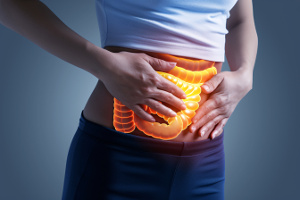 The rate of inflammatory bowel diseases like ulcerous colitis is growing, and diet plays a major role. Even if you eat a healthy diet, it can be a challenge to get enough selenium because of the selenium-depleted soil in our part of the world. Apparently, selenium supplementation can lower the disease activity and improve quality of life in patients with ulcerous colitis.
 Our bodies naturally produce Q10, a compound with a crucial role in cellular energy metabolism that also functions as an antioxidant and protects against cell damage. Our natural production of Q10 declines significantly with age and as a result of various stress factors, thereby accelerating signs of aging. This also affects the condition of the skin. Research suggests that skincare products containing Q10 may slow down visible signs of aging, such as wrinkles and sagging skin. This is supported by a review article published in The Journal of Clinical Aesthetic Dermatology. Additionally, previous studies indicate that high-quality Q10 supplements may have potential benefits in counteracting various aging processes and the development of chronic diseases.
 When cells convert the calories from food into energy, a variety of B vitamins, vitamin C, iron, magnesium, zinc, and Q10 are needed. This also means that a deficiency in one or more of these substances can result in mental and physical fatigue to a greater or lesser extent. The impaired energy metabolism of the cells also increases the risk of mood swings, concentration difficulty, infections, and other diseases. Modern lifestyle, ageing processes, medications, and other factors cause serious deficiencies, but these deficiencies can be corrected with help from dietary changes and relevant supplements.

 Selenium is involved in enzymes that activate thyroid hormones. It is also part of several antioxidants that protect cells and the circulatory system from damage caused by free radicals. Additionally, selenium is crucial for the optimal utilization of Q10, which plays a role in cellular energy metabolism. However, selenium intake in many European countries is too low, mainly due to depleted soil. At the same time, the body’s endogenous production of Q10 declines significantly with age. This can lead to metabolic disorders, atherosclerosis, fatigue, and other deficiency-related conditions. According to a follow-up study published in BMC Medicine, supplementation with selenium and Q10 has a positive effect on thyroid hormones, circulation, quality of life, and lifespan.
 Hashimoto’s thyroiditis is the most common underlying cause of hypothyroidism. It is characterized by extreme fatigue, weight gain, and a number of other symptoms. Hashimoto’s is an autoimmune condition where antibodies attack the thyroid gland. Many people who get treatment for their disease don’t improve, on the contrary. According to a meta-analysis published in Medicine, however, selenium supplementation appears to be able to reduce the autoimmune reactions and the body’s production of the different antibodies. Selenium helps control the thyroid function but also serves as an antioxidant that protects the thyroid gland against oxidative stress.


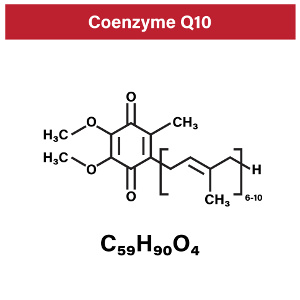 The body uses inflammation as part of its normal immune response to infections and tissue damage. If inflammation becomes chronic, however, it can be extremely dangerous. What happens is that it bombards the body with free radicals. This leads to oxidative stress and increases the risk of cell damage, overweight, and chronic diseases like type 2 diabetes, cardiovascular disease, autoimmune diseases, and different cancer forms. Diet and lifestyle play a major role, and according to a meta-analysis published in Frontiers in Pharmacology, Q10 supplementation can lower several markers of inflammation and oxidative stress.
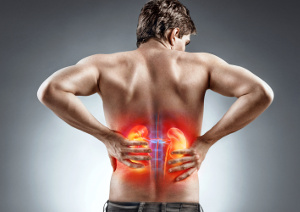 Kidney stones is a painful and quite common problem. The diet plays a major role and according to a large American population study published in Nutrients, selenium may help prevent the condition. The authors mention that selenium-containing proteins and antioxidants have preventative mechanisms and due to the widespread problems with selenium-depleted farmland, they say that selenium supplementation may be a good way to prevent and manage kidney stones and other pathological changes.
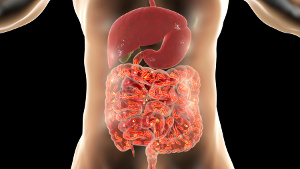 Selenium is an essential trace element of vital importance to our general health. The nutrient is also important for our gut flora, and being selenium-deficient may increase the risk of irritable bowel syndrome, inflammatory gut diseases like Crohn’s disease and ulcerous colitis, and even bowel cancer. Our intestine is also called our “third brain” because both our gut flora and digestion have a significant influence on our mental well-being, according to a review article published in Frontiers in Nutrition. The authors focus on selenium because selenium deficiencies are common in China, Europe, and many other places, and supplementation may be necessary.
 Both physical traumas and critical illnesses are associated with inflammation and oxidative stress where free radicals can cause potentially life-threatening damage to cells and tissues. Traumas are estimated to be the cause of one in ten deaths. New research suggests that early intervention with selenium may shorten the hospital stay including the days spent in intensive care and reduce total mortality. This was shown in a study published in Frontiers in Nutrition where the researchers looked closer at selenium’s unique antioxidant properties and anti-inflammatory effect.
 The brain is particularly vulnerable towards oxidative stress and local inflammation that can set the stage for Alzheimer’s disease and other neurological conditions. However, it turns out that certain selenium-containing antioxidants are able to protect the brain neurons against damage. Also, selenium supplements can improve cognitive performance in patients suffering from mild cognitive impairment and Alzheimer’s disease, according to a meta-analysis that is published in Nutrients.
 Q10 is a popular supplement for boosting energy levels and supporting circulatory health. According to a new meta-analysis that is published in Molecular Nutrition Food Research, the compound is also able to inhibit inflammation, which is the common thread in most chronic diseases. This requires sufficiently high doses of the compound, and it is also important to take high-quality supplements with documented absorption.
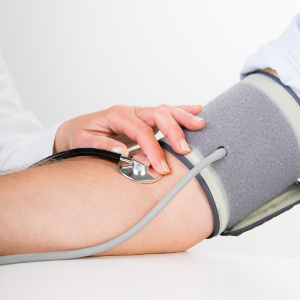 Yes, according to a new study published in Free Radical Biology & Medicine, lack of selenium lowers the kidneys’ sodium excretion via different mechanisms, and that leads to elevated blood pressure. The study results are highly relevant because hypertension and subsequent premature death is a growing global problem. Selenium deficiency is also a widespread problem. One billion people worldwide are believed to be lack this essential nutrient, primarily because of the selenium-depleted agricultural soil in large parts of China, Europe, and other places.
 Selenium is an essential trace element that affects the rate and development of several cancer types, including cervical cancer that is one of the most common cancer forms. Cervical cancer is often treated with a combination of radiation and chemotherapy and the side effects are known to affect the bone marrow and the formation of blood platelets and blood cells. However, supplementation with selenium yeast appears to counteract these adverse effects without interfering with the treatment, according to a study that is published in Frontiers in Nutrition.
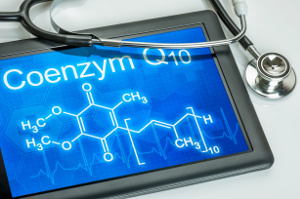 Neurological disorders such as Alzheimer’s disease, dementia, depression, Parkinson’s disease, stroke, migraine, and fibromyalgia are rather common. These conditions are a result of imbalances in the nervous system, and they are often insidious. In a new review article that is published in Frontiers in Neuroscience, researchers have studied Q10’s role in the different neurological disorders. The reason for this is that Q10 is important for cellular energy turnover and serves as an antioxidant that protects the circulatory system and the nerve cells against oxidative damage. As we grow older, our endogenous Q10 synthesis decreases, and certain diseases and medical drugs also impair the body’s Q10 synthesis.
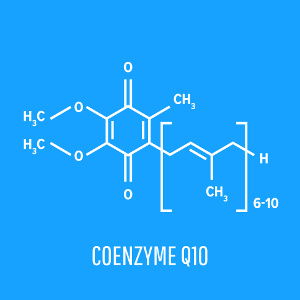 Q10 has a key role in the cellular energy turnover and also serves as an antioxidant that protects the body against oxidative stress. Disruptions in the energy-producing mitochondria in cells and oxidative stress may also be involved in different types of hormone disturbances that affect the thyroid gland, pancreas, sex glands, pituitary gland, and the adrenal glands. In a new review article that is published in Antioxidants, scientists look closer at Q10’s role with particular focus on hyperthyroidism, type 2 diabetes, and poor sperm quality, all of which can be corrected through supplementation.
 After a COVID-19 infection many people experience chronic symptoms such as fatigue, muscle pain, depression, and sleep disturbances. According to a study that is published in Clinical and Experimental Medicine, supplementing with Q10 and alpha-lipoic acid may help against tiredness and certain other symptoms. The authors describe how Q10 and alpha-lipoic acid support the cellular energy turnover in different ways and serve as antioxidants that protect cells against oxidative stress and cellular damage.
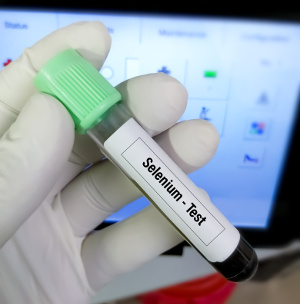 Over the past decades, numerous studies have linked low selenium levels in the blood to cardiovascular disease, cancer, increased risk of infection, thyroid disorders, and several other diseases. Due to the widespread problems with selenium deficiency, supplementation with this nutrient is of potential value to our general health. In a review article that is published in Oxidative Medicine and Cellular Longevity, the authors look at selenium’s role in connection with a host of different diseases and metabolic disorders.
 Q10 is a key element in the cellular energy turnover and also serves as a protective antioxidant. The human body is able to make most of its own Q10 but as we grow older, our endogenous Q10 synthesis decreases, and this is also the case with certain diseases and as a result of using specific types of medicine. A large meta-analysis has shown that Q10 supplementation is able to reduce chronic fatigue in healthy individuals as well as in people with diseases. Apparently, taking larger doses for longer periods of time works best for energy levels. It is important to choose a Q10 supplement that has the right quality and comes with documentation to ensure that the Q10 molecules are absorbed properly in the blood and reach the energy-producing powerhouses of the cells.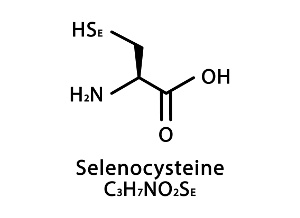
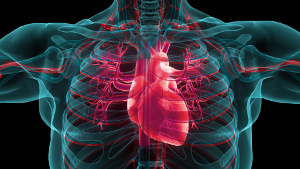 Cardiovascular diseases are the leading cause of death. However, in 2013, Professor Urban Alehagen, a Swedish cardiologist, demonstrated that giving supplements of selenium and Q10 to seniors could strengthen their hearts and reduce their cardiovascular mortality rate by over 50 percent. In follow-ups of his research, it was seen that the two supplements had a long-term effect on lifespan, but there is more to the story. In a whole new study that is published in European Journal of Nutrition, Alehagen manages to show in detail that selenium and Q10 have a positive effect on oxidative stress and inflammation at the same time as improving a number of biomarkers of heart health. He also explains why it can be a challenge to get enough Q10 and selenium through an entire life.
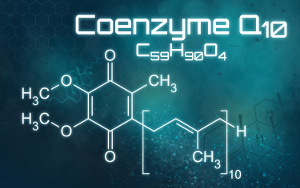 Primary Q10 deficiency is a rare dysfunction where the body’s missing ability to synthesize Q10 can lead to a rare type of nephrotic disease that cannot be treated with medicine. According to a new study that is published in Kidney International, however, it appears that Q10 supplementation can reduce the kidneys’ protein excretion, protect renal function, and lower mortality. Based on their findings, the scientists conclude that all patients with primary Q10 deficiency should ideally receive early and life-long Q10 therapy in order to prevent the disease from progressing and to avoid future organ damage.
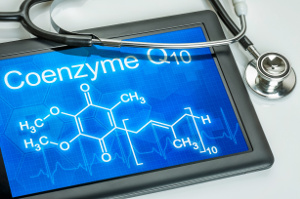 A previous study has demonstrated that daily supplementation with coenzyme Q10 and selenium increases heart muscle strength in seniors and reduces their cardiovascular mortality by over 50 percent. Now, a team of Swedish and Norwegian scientists has found that these two nutrients are also able to slow down the age-related shortening of cellular telomeres, which are attached to the ends of all DNA strands. You can compare telomeres to the small aglets that prevent our shoelaces from fraying and tangling. Like aglets, telomeres protect the DNA strands, but they are exposed to attrition and eventually wear out. The more worn our telomeres become, the more exposed the cellular DNA becomes, until it reaches the point where the cell finally perishes. Q10 and selenium appear to preserve telomere length, thereby keeping us in good health for longer time.
 During pregnancy, the unborn child needs different nutrients for proper development of its brain and nervous system. Even if the mother eats a balanced diet, it can be difficult to get enough selenium for a number of reasons. In a new Italian animal study that is published in Nutrients, scientists have looked closer at selenium’s role during pregnancy and lactation. They observed that even minor selenium deficiencies can have a negative effect on the offspring’s brain development and behavior. This study supports earlier human studies showing how vital it is for the mother to get plenty of selenium during pregnancy and breastfeeding.
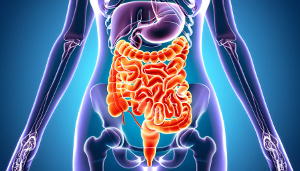 Colorectal cancer is one of the most common cancer types. Although the diet is of huge importance, the understanding of minerals and their interactions and preventative effect is limited. Earlier studies have shown that calcium and selenium have protective roles. It also looks as if having more selenium in the blood can improve the effect of calcium. This was demonstrated in a new Polish study that is published in BMC Nutrition. The scientists point out that there is widespread selenium deficiency in Europe and that supplementation may be needed.
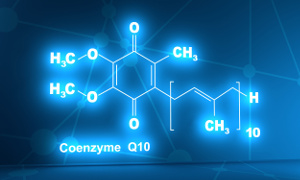 Q10 is a unique and wonderful coenzyme with a key function in energy turnover and a role as a powerful antioxidant. The body produces the lion’s share Q10 for its own needs but the endogenous synthesis of the compound decreases with age. Moreover, cholesterol-lowering statins and bisphosphonates used to treat osteoporosis disrupt the body’s Q10 synthesis. Over the past decades, numerous studies have shown that Q10 supplementation can slow down the ageing process. Q10 is also useful in connection with heart failure and several other chronic ailments that typically occur in old age. This is described in a review article that is published in Mechanisms of Ageing and Development. With Q10 supplements, it’s important to choose pharmaceutical-grade products with documented quality and bioavailability.
 Selenium supports a host of different metabolic processes and serves as an antioxidant that protects our cells. According to recent studies, selenium also has anti-ageing properties that protect us against cardiovascular disease, cancer, dementia, and other age-related diseases. According to a review article published in Medical News Today, selenium also helps against impaired immunity and counteracts chronic inflammation, which is typically seen in connection with ageing processes. A Swedish study of healthy seniors has even showed that supplementation with selenium and Q10 has a positive effect on heart function, quality of life, and life expectancy.
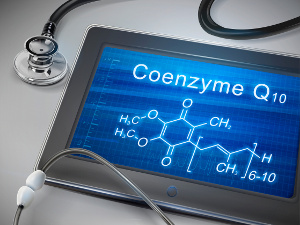 Hereditary hemochromatosis is a group of diseases that involve iron accumulation in the body. This leads to oxidative stress and tissue destruction which may affect the liver and other organs. According to a new Argentinian study, patients with hereditary hemochromatosis lack Q10 in their blood. Because Q10 is of vital importance to the cellular energy turnover and it also serves as a powerful antioxidant against oxidative stress, a Q10 deficiency will contribute to the disease. This, the researchers behind the new study explain, is why Q10 may represent a new and safe agent for treating the condition.
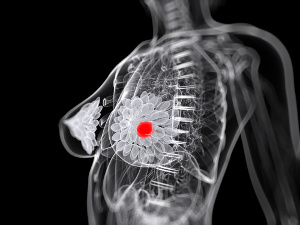 Breast cancer is the leading cancer form among women. Even though treatments have gotten a lot better the disease still has a high death toll. A Swedish-German study shows that having low levels of selenium in the blood worsens the prognosis, whereas having a higher selenium content in the blood can increase the odds of surviving breast cancer. Unfortunately, selenium deficiency is rather common in Europe. According to the scientists behind the new study, measurements of selenium status can be used to optimize blood levels of the nutrient, thereby improving treatment correspondingly.
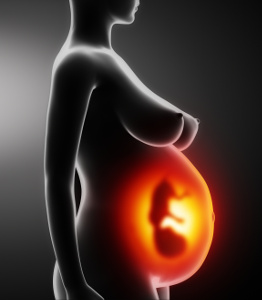 The need for the trace element selenium is increased in pregnant and breastfeeding women because it supports a host of different proteins that are particularly important for tissue growth. Also, selenium supports different antioxidants that protect the unborn baby’s organs and tissues. A new review article published in Nutrients shows that lack of selenium during pregnancy may result in oxidative stress, stunted growth, and low birth weight. This may eventually have consequences for the baby’s development, cognitive skills, and health in general. The authors also mention that an expecting mother’s alcohol abuse may have a more negative health impact if she is selenium-deficient. It is a problem that selenium deficiency is such a widespread problem in Europe and other parts of the world.
 Selenium has an overlooked role in sperm quality and healthy pregnancies. A team of scientists from Romania has looked closer at blood levels of different selenium-containing antioxidants and found that low levels are significantly correlated with poor sperm quality. The scientists also explain that lack of selenium increases the risk of pregnancy-related complications, miscarriage, and preterm delivery. Both selenium deficiencies and infertility are common problems so selenium supplementation may be worth considering. For decades, Danish farmers have added selenium to animal fodder as a way of improving the fertility and general health of the animals.
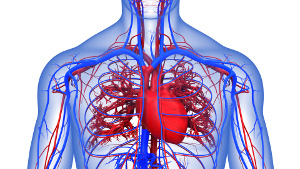 Diabetes damages the circulatory system in a number of ways that are linked to impaired quality of life and early death. A meta-analysis shows that if type 2 diabetics take supplements of Q10 it lowers their risk of cardiovascular disease by reducing levels of total cholesterol and LDL cholesterol. Another positive effect of Q10 is that it serves as a unique antioxidant that counteracts oxidative stress, which is a major cause of atherosclerosis and cardiovascular damage. One of the problems of using cholesterol-lowering statins is that it inhibits the body’s endogenous Q10 synthesis, but this is something one can compensate for. According to Danish research, it is also a good idea to limit your carbohydrate intake and follow the new dietary guidelines that help stabilize blood sugar levels.
 When it comes to COVID-19 and other seasonal virus infections most of the focus is concentrated on vitamin D deficiency. According to a Belgian study, however, lack of selenium and zinc additionally increases the risk of infections, complications, and death, especially among patients who already suffer from chronic diseases. The scientists conclude that supplementation with selenium and zinc may help improve treatments. Selenium and zinc deficiencies are rather common and that is a problem for public health. Even with a healthy diet, it is practically impossible for Europeans to get enough selenium because of the nutrient-depleted farmland. There are also many people with zinc deficiencies due to unhealthy diets, ageing, chronic diseases, and other contributing factors. We must be much more focused on getting enough selenium and zinc, not least for the sake of preventing virus infections and other problems.
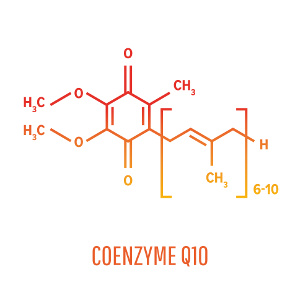 Q10 is a unique compound with a key role in cellular energy turnover. It also serves as a powerful antioxidant. The body is able to synthesize most of the Q10 that it needs but as we grow older, our endogenous synthesis decreases, making us vulnerable in different ways. Cholesterol-lowering medicine and certain types of disease are also associated with lower levels of Q10 in the body. In a new review article, a group of scientists have scrutinized hundreds of Q10 studies that have been published in the years 2010-2020. They are able to conclude that Q10 is of particular importance to the heart, circulatory system, fertility, muscles, eyes and vision, and the ageing process. Things like migraines, chronic fatigue syndrome, and neurodegenerative diseases such as Parkinson’s and Alzheimer’s disease are also addressed. The body has difficulty with absorbing Q10 from food and supplements so it is recommendable to always choose a pharmaceutical-grade Q10 preparation with documented bioavailability.
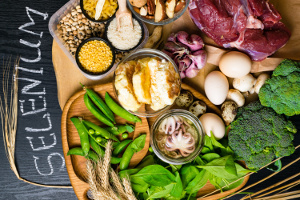 Selenium is a trace element with a number of essential functions. An estimated one billion people worldwide get too little dietary selenium. The problem is mainly a result of nutrient-depleted farmland. Moreover, blood levels of selenium drop drastically in connection with COVID-19 infections, serious illness, and pregnancy because the body has an increased need for the nutrient. Altogether, selenium deficiency increases the risk of complicated COVID-19 infections, autoimmune diseases such as rheumatoid arthritis, Hashimoto’s thyroiditis, preterm delivery, and miscarriage. Supplementation may help optimize blood levels of selenium, which can be relevant for preventing and treating a number of common diseases, according to an article that is published in International Journal of Medical Sciences.
 Selenium is involved in a number of different metabolic processes and works as an antioxidant, which protects the heart and cardiovascular system, but it is difficult to get enough of the nutrient from the diet. According to a new American mouse study, selenium supplementation can speed up the metabolic processes and protect against overweight. A Swedish study of seniors published some time ago showed that supplements of selenium and Q10 has a positive effect on quality of life and lifespan.
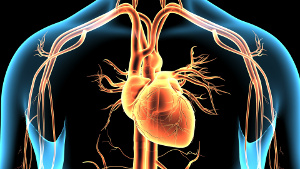 Cardiovascular diseases are widespread and one of the major causes of death. The risk is increased by factors such as ageing, diabetes, and overweight. One of the underlying causes is oxidative stress, which is an imbalance between free radicals and antioxidants. Q10, which is involved in cellular energy turnover, happens to be one of the most powerful antioxidants. According to a review article that is published in the scientific journal Antioxidants, supplementation with Q10 can reduce oxidative stress and cardiovascular mortality. It can also improve quality of life and increase the chances of survival. Generally speaking, Q10 has a huge potential for anyone with a desire to remain healthy, and it is important to choose a supplement with documented quality and bioavailability.
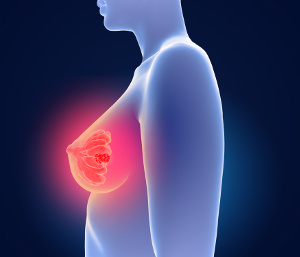 Having higher blood levels of selenium, an essential trace element, increases a breast cancer patient’s chances of 10-year survival, according to a Polish population study that is published in the science journal Nutrients. Also, earlier research has shown that supplementation with selenium yeast can lower the risk of contracting a variety of different cancer forms. The agricultural soil in Europe is very low in selenium and that is one of the reasons why selenium deficiencies are so common. The question is how much selenium we need to optimize levels in the blood.
 Our nutritional status is of vital importance to our health and our ability to handle infections. Selenium has several functions in the immune system, including its role as an antioxidant and in counteracting unwanted inflammation. Selenium is also able to prevent virus from mutating and becoming more virulent or creating new waves of disease. A team of Chinese scientists have reviewed a number of studies of selenium and its key role in the defense against influenza, HIV, and other types of RNA virus. They have found, among other things, that the risk of contracting a COVID-19 infection is 10 times lower in areas where the soil is rich in selenium. Therefore, it is a huge problem that selenium deficiency due to selenium-depleted farmland is so widespread in Europe, China, Africa, and many other places.
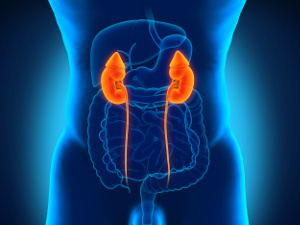 The kidneys cleanse our blood. Well-functioning kidneys are vital for the circulatory system and good health in general. Normal functioning of cells, including kidney cells, hinges on a host of different selenium-containing proteins and coenzyme Q10. Studies show that older people in many parts of the world, Europe included, have deficiencies of both substances. Therefore, a team of Swedish scientists conducted a study where they looked at selenium status and kidney function in a group of seniors. They gave selenium yeast and coenzyme Q10 or placebo to the participants for a period of four years. The results showed that the supplemented group as compared with the placebo group had improved kidney function according to several parameters. The positive effect on cellular energy metabolism, inflammation, and oxidative stress was attributed to the two supplements. The study is published in the science journal Nutrients.
 Selenium is an essential trace element that supports a host of different proteins and antioxidants that are important for pregnancy. According to a new Norwegian population study that is published in the science journal Nutrients, lack of selenium during pregnancy may stunt the growth of the fetus and result in low birth weight. This may have consequences for the child’s growth, cognitive skills, and health. Selenium deficiencies are rather common in Norway and the rest of Europe and that is a problem.
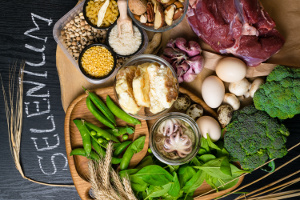 Selenium supports a number of different selenium-dependent proteins that are important for our energy turnover, metabolism, immune defense, fertility, and antioxidant protection. Selenium also has a special affinity for mercury and is therefore able to bind to this heavy metal and counteract its harmful impact on the brain, the nervous system, and other tissues. Once selenium is bound to mercury, however, the different selenoproteins are no longer able to use it. We are all exposed to a certain amount of mercury and that may result in a borderline deficiency of selenium. The problem is that other factors weigh in such as selenium-depleted crops because of the lack of selenium in the European farmland. What is important to realize is that mercury toxicity is insidious and certain fish such as predatory fish and whales in the upper part of the food chain contain large concentrations of mercury. However, therapeutic doses of selenium can prevent the toxic effect of the heavy metal, according to a new review article published in Scientific Research.
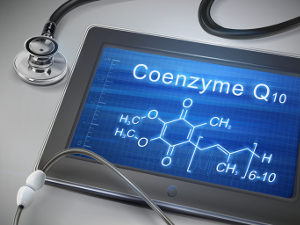 Q10 is involved in the cellular energy turnover and it is also a powerful antioxidant that protects cells, tissues, and the cardiovascular system in several ways. Humans synthesize most of their own Q10 but the endogenous production of the compound decreases with age. Besides, certain diseases are associated with lowered endogenous coenzyme Q10 synthesis, and scientists have observed that Q10 supplementation has the potential to attenuate various symptoms linked to heart disease, diabetes, kidney disease, migraine, chronic fatigue syndrome, and fibromyalgia. Q10 can also improve the heart function in older, healthy people, thereby lowering their risk of dying of heart disease. It is difficult for the body to absorb Q10, which is why scientists emphasize the importance of using pharmaceutical-grade supplements. This topic was addressed in a review article published online by www.nutraingredients.com.
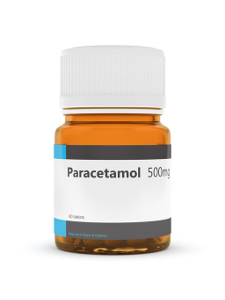 Millions of people take painkillers such as Panadol or Calpol that contain paracetamol, and an estimated one billion people or so lack selenium due to nutrient-depleted farmland. This is an unfortunate cocktail because being deficient of selenium increases the risk of using paracetamol, so even the recommended dosage burdens the liver to such an extent that it causes toxicity and increase the risk of side effects. This was demonstrated in a collaborative study carried out by Bath University in England and Southwest University in China.
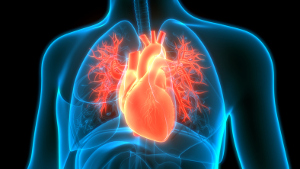 Life cannot exist without coenzyme Q10. The compound is necessary for the energy turnover in all our cells. It also functions as a powerful antioxidant that protects the heart and cardiovascular system against oxidative stress. Humans are able to synthesize Q10 but our endogenous production decreases with age. Heart failure patients also have reduced levels of Q10 which can be fatal, but decades of research have shown that Q10 supplements can improve quality of life and reduce mortality by close to 50 percent, according to a review article in Journal of Clinical Medicine. Here, the authors refer to 90 published articles. It is also important to get enough selenium, which helps Q10 function optimally.
 Around one billion people worldwide are believed to lack selenium, mainly due to nutrient-depleted farmland. Selenium deficiency makes us more vulnerable to infections and increases the risk of a virus mutating and becoming more dangerous. This was shown in previous studies of RNA virus that can cause influenza, hepatitis, HIV, and Keshan disease. Coronavirus that causes the common cold and COVID-19 infections also belongs to the group of RNA virus and has a unique ability to mutate. Three new mutated virus types have been found in mink and stand in the way of a future vaccine. Therefore, we are forced to bolster our immune defense, which is designed to attack virus from different angles. Still, even if we eat a healthy diet it can be challenging to get enough selenium, and that is why an increasing number of international researchers now recommend selenium supplements to help fight coronavirus
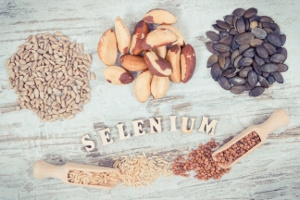 The cells in our body are constantly renewed but they can only divide a limited number of times. It all depends on the length of their telomeres, which one can compare to the protective plastic tips at the ends of shoelaces. Every time a cell divides, its telomeres are reduced in length, bringing the cell closer to its terminal phase. Now, a Chinese study has revealed that higher selenium intake is linked to increased telomere length. Put differently, a higher selenium intake contributes to protecting the cells and allowing them to replicate more times. This may likely postpone the ageing process and extend our lifespan, and there are other studies that suggest the same. It is worth making a note of the fact that selenium deficiency is widespread in Europe and throughout the world.
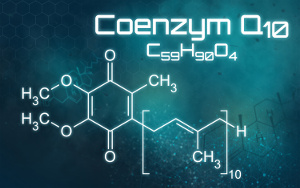 According to WHO, sepsis is the third-most common cause of death, following cardiovascular disease and death. Sepsis is a result of the immune defense overreacting to an infection in the bloodstream. According to a new Slovakian study published in Bratislava Medical Journal, if you start supplementing with Q10 early in the treatment phase, it may reduce the symptoms and improve the chances of survival. Read more about another nutrient that contributes to the prevention of sepsis.
 The trace element selenium has a vital yet overlooked role in ensuring a well-functioning immune system, and the widespread problems with selenium deficiency increase the risk of dying of COVID-19, according to a large German study that is published in the science journal Nutrients. The scientists therefore conclude that determining the patients’ blood selenium levels may provide vital diagnostic information. Also, the researchers conclude that it may be necessary to include selenium supplements in the treatment of COVID-19, especially with older people, diabetics, and those with chronic diseases that are at particular risk of life-threatening complications. The agricultural soil in Europe and other parts of the world contains relatively little selenium, which is why it is imperative to focus more on getting adequate amounts of this essential nutrient for the sake of preventing COVID-19 and other viral infections. It appears that the official recommendations – the so-called reference intake levels or RI – are not sufficient to meet the body’s actual requirements.
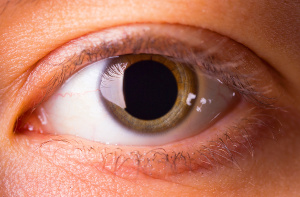 The blood supply to the retina of the eye is crucial for good vision. For that reason, experts recommend taking antioxidant supplements against eye diseases caused by an impaired blood supply to the retina. Although there is lacking evidence for the effectiveness of such supplements it appears now that Q10 and other antioxidants may improve vision when used in combination with conventional therapies, according to a Spanish study that is published in Nutrients. Because the body has difficulty with absorbing Q10 from supplements it is important to choose a supplement that has good bioavailability.
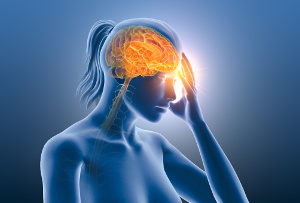 High-dosed supplementation with coenzyme Q10 is able to reduce the frequency, severity, and duration of migraine attacks, which is because the
  Involuntary childlessness has become increasingly common. Many women find themselves in a race against time, and their biological clock keeps ticking louder and louder. Fertility therapies, miscarriages, preeclampsia, and other complications during pregnancy contribute to the physical and emotional burden. In a new Australian study that is published in Nutrients, the authors write about selenium and zinc and how these nutrients play an important role in fertility and a healthy pregnancy. They also address the problems with widespread selenium deficiency and point out that environmental toxins like mercury deplete levels of vital selenium-containing proteins in the body. The scientists point to supplements for fighting deficiencies, just like folic acid and iron are routinely recommended to pregnant women. It pays off to choose selenium yeast with multiple organic selenium compounds and organic zinc to help improve the bioavailability and utilization of the nutrients.
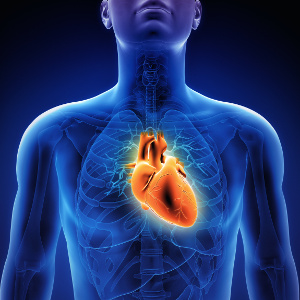 The majority of supplements with vitamins and minerals fails to extend life or protect against cardiovascular disease, although fish oil does seem to have a good effect, according to a large review from John Hopkins University. On the other hand, a Danish study shows that blood levels of vitamin D are crucial for a person’s expected lifespan, and a groundbreaking Swedish study shows that patented supplements with Q10 and selenium benefit older people by improving their cardiac health and reducing cardiovascular mortality by 50%. What matters is to use supplements that contain nutrients in the right quantity, which have a proper quality and can be absorbed by the body. In the following, you can read more about the different studies and learn how you can improve your heart health and increase your chances of a longer life.
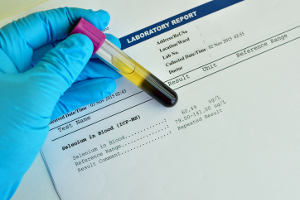 An international science team from the University of Surrey in England has found a link between low selenium levels in the soil and the risk od COVID-19 infections becoming lethal. Professor Margaret Rayman, who headed the study, has spent decades studying the global lack of selenium that is known to impair the ability of the immune system to tackle virus infections and new epidemics. The farmlands in large parts of the world, including Europe and China, are low in selenium, and it is vital to have more focus on this essential nutrient.
 The number of seniors in the world is growing. It hardly comes as a surprise that old people wish to stay mentally and physically fit and enjoy every minute of the of life. Nonetheless, many middle-aged and older people feel tired and lethargic, or they suffer from chronic diseases that impair their quality of life and are associated with shorter life expectancy. In his book, Coenzyme Q10 – An Insider’s Guide, Dr. William V. Judy looks closer at how Q10 is able to delay the ageing process at a cellular level by increasing energy levels, supporting heart health, and preventing atherosclerosis and other chronic diseases that are linked to ageing. Combined supplementation with Q10 and selenium can even delay the risk of early death by over 50 percent. Dr. Judy makes a point of saying how important it is to choose pharmaceutical-grade Q10 that the body can absorb and utilize.
 It is commonly known that degenerative diseases such as cardiovascular disease, diabetes, kidney ailments, and liver diseases are often linked to poor quality of life and shorter lifespan. Supplementing with Q10, possibly in combination with selenium yeast, may have a positive influence on the mentioned conditions and lower your risk of premature death by as much as 50 percent or more. In fact, Q10 can help delay the ageing processes by protecting the heart, cardiovascular system, and cells, according to a large review article published online by NCBI (National Center for Biotechnology Information). As mentioned in this article, it is essential to use supplements that are pharmaceutical-grade in order to ensure proper absorption in blood and tissue.
 Selenium is of vital importance to a strong immune defense. Still, selenium deficiency is a common problem and it increases the risk of viral infections such as influenza and the coronavirus from China, which is feared to turn into a global pandemic. It is a problem that selenium deficiency in infected animals and humans causes the virus to mutate and become more aggressive. Because of selenium’s important role as a powerful antioxidant, being deficient of this micronutrient may leave the body vulnerable to oxidative stress, which can cause tissue damage and complicate the virus infection. It is therefore important to get enough selenium at all times, as it also increases our resistance towards other viral infections such as herpes, HIV, and hepatitis, according to an article published in Nutrients.
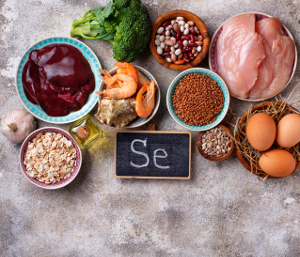 Lack of selenium, an essential trace element, may cause thyroid disorders, cardiovascular disease, virus infections, AIDS, infertility, neurological disturbances, and cancer. An estimated one billion people worldwide are selenium-deficient. This is mainly a result of nutrient-depleted soil, which is a real problem in places like Europe. For decades, scientists have been warning about this problem, and a lot suggests that we need more than the officially recommended intake to protect ourselves effectively against disease, according to a review article published in StatPearls.
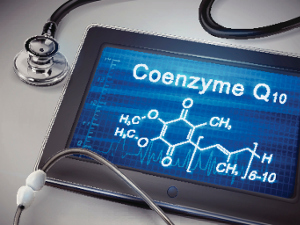 The mitochondria are the powerhouses of our cells that churn out energy in a process that involves oxygen, Q10, selenium, and other nutrients. Around 100 years ago, the German Nobel Prize winner, Professor Otto Warburg, demonstrated that even if cancer can be caused by a number of secondary factors, there is only one primary cause: alterations in the mitochondrial oxygen turnover. In his recent book, Tripping over the Truth, molecular biologist Travis Christoffersen describes how contemporary scientists confirm Warburg’s theories and says that we need to look at prevention and cancer treatment from an entirely different angle. Other studies show that Parkinson’s disease, migraine, senility, chronic fatigue, fibromyalgia, epilepsy, and other neurological disorders may be rooted in defects of the mitochondria that have many other functions besides delivering energy. It is therefore vital to take care of the mitochondria throughout life. You can read more about the ketogenic diet that optimizes mitochondrial energy turnover in different mitochondrial diseases.
 Selenium is a trace element that supports over 30 essential selenoproteins, which have numerous functions. For the first time ever, a study of Mexican children reveals that lack of selenium delays the growth of pubic hairs and the development of sex organs in boys. It is a known fact that the agricultural soil in Mexico is low in selenium and that affects the entire food chain. The same is the case in Europe, for which reason farmers for decades have supplemented livestock with selenium as a way of improving fertility and preventing a number of deficiency problems. The big question is to what extent can selenium deficiency problems explain the impaired sperm quality that has been observed among young men? An estimated 500 million to one billon people worldwide get too little selenium from their diet.
 Infertility affects around one in seven couples. WHO considers it a global health problem. One of the leading causes is impaired semen quality, and Danish, Norwegian, and German men have lower sperm quality than any other male populations. Impaired sperm quality may be a result of an unhealthy lifestyle with stress, tobacco, stimulants, and hormone-disrupting compounds. On the other hand, scientists from Mexico have found that supplements of zinc, selenium, Q10, and omega-3 have an effect on the number of sperm cells and their quality. Other studies show that zinc and selenium protect sperm cells and are important for testosterone levels.
 Selenium is an essential trace element that is important for the immune defense, metabolism, fertility, nervous system, and cancer prevention. An estimated one billion people worldwide are believed to be selenium-deficient. Because European agricultural soil is low in selenium, we Europeans are more exposed than others. It appears that selenium deficiencies increase our risk of many acute, chronic, and life-threatening diseases, and the official recommendations for daily intake are too low, according to a new article about selenium deficiency, which is published in the scientific American database NCBI (National Center for Biotechnology Information).
 People, who eat nutrient-depleted diets, have an increased risk of contracting cancer, according to a French study that is published in PLoS Medicine. The scientists therefore recommend labeling food to help consumers make healthier choices. In the Nordic countries, we already have the “Keyhole label” on certain healthy food items, but even if you follow the official dietary guidelines, it may be difficult to get enough vitamin D and selenium, both of which are nutrients with several anti-cancer mechanisms.
 Perhaps so. More and more studies reveal that it helps to take large quantities of Q10 and a vitamin B3 derivate. Q10 and vitamin B3 are both essential for the body’s energy turnover, which takes place inside the mitochondria of the cells. A more recent study shows that taking supplements of the mentioned nutrients can also have a positive effect on the heart, which is the body’s central motor.
 Earlier studies have found a link between low selenium and overweight, but only few and limited studies have investigated this connection in children. Therefore, Chinese researchers wanted to take a closer look, and selenium levels in nail clippings give a rather accurate picture of the body’s general selenium status. Selenium deficiency is common in many parts of the world, including parts of China and Europe.
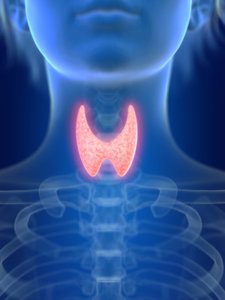 An estimated 500,000 Danes suffer from some kind of thyroid disorder, the most common of which is Hashimoto’s disease, which slows down your metabolism. The formation and activation of thyroid hormones depend on iodine and selenium, and it is essential that the two nutrients are properly balanced. Having too little or too much iodine increases your risk of Hashimoto’s disease, and the same is the case with selenium, a nutrient that many people lack.
 Selenium is a constituent of at least 25 essential proteins (selenoproteins), including several antioxidants that protect cells against oxidative stress and disease. A team of researchers from Munich in Germany has mapped out the mechanisms, which the selenium-containing antioxidants use to protect neurons in the brain against cell death. The scientists see a whole new potential with selenium because of its ability to protect against neurological disorders and cancer. It is problematic, however, that we have widespread selenium deficiency in our part of the world. Even if you stick with the official dietary guidelines, it is very difficult to get enough selenium to saturate all the different selenoproteins.
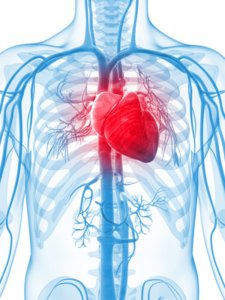 Q10 and selenium are powerful antioxidants that are important for the heart, cardiovascular system, and the energy turnover. As we grow older, our endogenous Q10 synthesis decreases, and many people lack selenium. A Swedish study has shown that older people who take supplements of Q10 and selenium have a 50 percent lower cardiovascular death rate. Another (more recent) Swedish study shows that Q10 and selenium also increase elderly peoples’ levels of IGF-1, a hormone with many functions in the body. The scientists assume that this helps reduce the risk of cardiac death among elderly people.
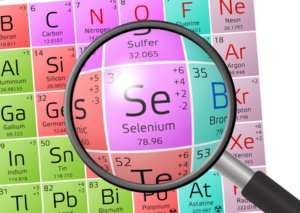 Even if you eat a healthy and balanced diet, it can be difficult to get enough selenium because of climate changes and nutrient depletion of the soil, especially in Europe. This was shown in a study conducted by Swiss scientists. Selenium is very important for the immune system, but how much do we need to be optimally protected against infections? There also appears to be a connection between widespread selenium deficiency and the increased rate of cancer.
 Approximately one in seven couple is childless. Although there can be many underlying causes, poor sperm quality is an increasing problem. It may be caused by a lack of certain nutrients and exposure to different environmental factors, but, fortunately, it possible to improve sperm quality and increase the chances of conception by means of relevant dietary adjustments and the use of specific supplements. New research shows that epigenetic factors (factors that affect the environment of the sperm cell) determine sperm health and are therefore crucial for activating the genes of the sperm cell so the fetus can develop.
 An international team of researchers has just completed a huge study of the possible link between maternal DNA, selenium deficiency, and preterm labor. Earlier studies have shown that women with low blood selenium have an increased risk of preterm birth and that selenium supplementation may lower that risk. A problem in that respect is that climate changes and soil depletion may increase the risk of selenium deficiencies, especially in Europe.
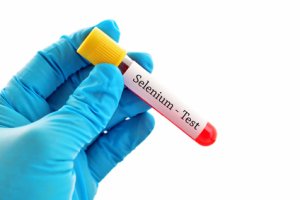 Climate changes and soil depletion increase the risk of selenium deficiency, especially in Europe as shown by Swiss scientists. Selenium is an essential nutrient, and existing studies clearly show that low selenium intake increases the risk of cancer, metabolic disorders, impaired immunity, poor sperm quality, and atherosclerosis. Selenium deficiencies are therefore to be taken seriously and should be prevented one way or another. A good way to get enough of the nutrient is by taking a high-quality selenium supplement.
 Ageing processes are associated with loss of muscle mass and impaired physical performance, both of which tend to lower quality of life. It is commonly known that coenzyme Q10 plays a significant role in cellular energy turnover and protects against oxidative stress. Now, two independent cohort studies even show a relation between the body’s Q10 status and muscle strength. Earlier research even suggests that Q10 supplements may help older people develop more youthful muscle fibers. Individuals who take cholesterol-lowering statins are advised to take Q10 supplements.
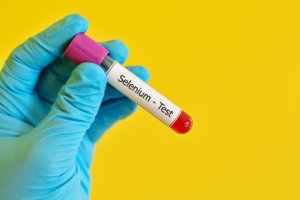 All our cells contain different selenium compounds that support a number of vital functions, and which have several cancer-fighting mechanisms. As an antioxidant, selenium prevents iron from developing some of the most harmful free radicals that can damage cellular DNA and lead to uncontrolled cell division. This is why a selenium deficiency combined with excess iron is a lethal cocktail. Although iron is essential, it is vital that we do not get too much. It is also important to get plenty of selenium from food and/or supplements and in a form that the body can absorb and utilize in each and every cell in order to be properly protected against cancerous substances.
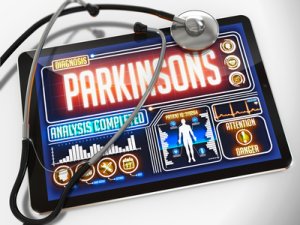 According to a Japanese study, some people with Parkinson’s disease may find that coenzyme Q10 helps to relieve their symptoms. Q10 occurs in two forms, both of which have vital functions, but the scientists observed that only the one form had a positive effect on Parkinson’s disease. Nonetheless, when supplementing with Q10, both forms are equally good. What matters is that the active compound can be absorbed. Once it has been absorbed, the body can shift from one form to the other, a process that also requires selenium.
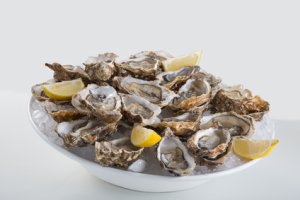 Selenium is crucial for your thyroid function, immune system, cardiovascular system, and even for preventing cancer. Fish and shellfish are among the best selenium sources, but even 200 grams of fish and shellfish five days a week won’t do the trick, according to a Danish selenium study. What makes it even more difficult to obtain optimal amounts of this nutrient is that the agricultural soil in large parts of Europe is stripped of vital nutrients like selenium. Margaret P. Rayman, one of Europe’s leading experts on selenium, says that there is a direct link between the decreasing selenium intake and the increasing rate of cancers, rheumatism, infertility, and numerous other health problems. The question is, how do we humans get enough selenium?
 New figures from the cancer database, Nordcan, reveal that Danish women hold the record in cancer prevalence, and both sexes still have the lowest cancer survival rate among the Nordic countries. Experts claim that this is linked to our lifestyle. However, cancer even occurs among people with healthy lifestyles, and international studies suggest that modern diets tend to lack optimal amounts of selenium, vitamin D and omega-3, all of which have cancer-preventive properties. Research also points to melatonin, also known as the sleep hormone.
 Q10 is involved in the energy turnover in all cells. The highest concentration of the compound is found in the heart, as this muscle needs to pump day and night and to supply muscle cells with more blood when we are physically active. The cellular energy turnover takes place inside some minute powerhouses called mitochondria. A Danish-Swedish study has shown that the mitochondria in the muscle cells of top-notch athletes have a different construction that makes them able to produce up to 25 per cent more energy. Earlier studies show that Q10 is able to improve athletic performance, and it all boils down to optimizing the energy turnover in the cells.
 Q10 is a coenzyme that is involved in cellular energy production and protection of our cells. There are numerous cosmetics with Q10 that are believed to delay skin ageing. However, only limited amounts of data have been available to prove the effect of Q10 on skin – until recently.
 Women who eat a healthy diet may prevent or delay their physical deterioration. But what type of diet has the best effect? And how can specific nutrients, which are difficult to get from the diet, improve the overall effect?
 No matter how you twist and turn it, cholesterol is an essential substance, and we humans produce most of it ourselves. What is important is to make sure that the cholesterol we have in our blood does not oxidize, and that is something which Q10 and other antioxidants take care of. Stable blood sugar levels also help us maintain a healthy cholesterol balance.
 A study has shown that many children and young people suffering from migraines lack coenzyme Q10 and several vitamins. While more research is needed before conclusions can be made, earlier studies have actually shown that Q10 supplementation may have a positive effect on migraine. Because migraine is common among children and adults it is obvious to take a closer look at the underlying cause and compensate for any deficiencies.
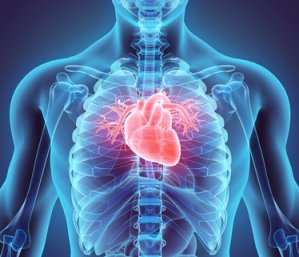 Many people suffer from chronic heart failure – often without knowing it. Numerous studies have shown that supplementing with Q10 can improve quality of life and even reduce mortality. An article published in Pharmacologic Therapy reviews the many Q10 studies and makes a point of saying that it is important to choose a Q10 preparation with good bioavailability.
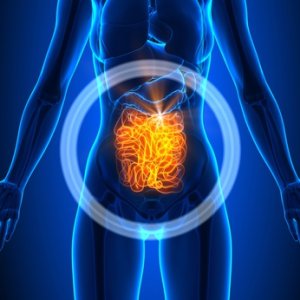 A selenium deficiency may increase the risk of gluten intolerance/celiac disease, which can lead to metabolic disorders and vice versa. Because selenium deficiencies may be a result of eating a poor diet and suffering from malabsorption, this may easily turn into a vicious cycle.
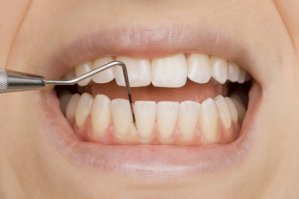 Periodontal disease affects most people at some stage in life. However, according to a recent study that is published in Contemporary Clinical Dentistry, supplemental use of Q10 and tea tree oil may have potential benefits.
 A new study links thyroid disorders to female infertility. At the same time, it is known that selenium, an essential micronutrient, is required for normal functioning of the thyroid gland. Modern diets are depleted of selenium and the question is: Could selenium supplements be a good place to begin for infertile couples before embarking on expensive IVF therapy?
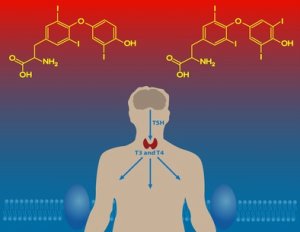 The way in which selenium and iodine interact is determining for the thyroid gland and the metabolism. A deficiency of one or both nutrients coupled with exposure to environmental toxins may have grave consequences and contribute to some of the most commonly occurring metabolic disorders.
 Although cancer treatments have improved drastically, science has still not managed to break the curve. On the contrary. A growing number of people contract cancer, and that is why we should focus more on the trace element, selenium, which possesses several mechanisms against cancer. However, it requires that we get enough selenium and that is in a form that the body is able to utilize optimally.
 If you want to lose weight and/or maintain your ideal weight, it is important to focus on the right proteins, on Q10, and on brown fat cells, as it all boils down to having an effective metabolism and proper energy utilization.
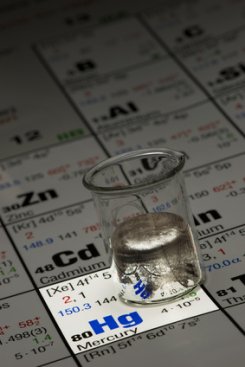 We all get exposed to mercury, a neurotoxin that is found to a great extent in nature and in our environment. According to an EU report, mercury is a large economic burden to society because of the costs related to lowered IQ levels. For that reason alone, we should aim to limit our exposure to mercury and also take a closer look at how selenium protects against the harmful heavy metal - provided our selenium levels are adequately high.
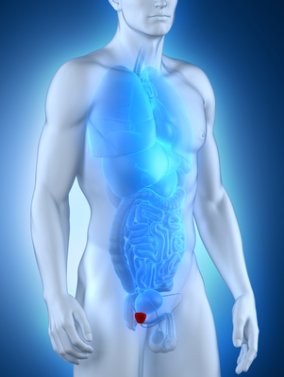 Low selenium status increases a man's risk of prostate cancer and Danish men are particularly susceptible, according to a study published in British Journal of Nutrition. Earlier studies have shown that supplementation with selenium prevents prostate cancer, and selenium yeast has been shown to have the best effect.
 A combination of the trace element selenium and the vitamin-like compound coenzyme Q10 appears to be a highly useful treatment for people with impaired cardiac function.
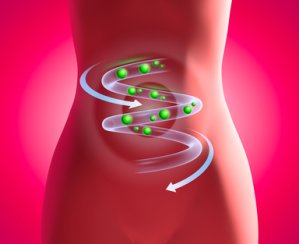 Although there are two forms of coenzyme Q10 in the body - ubiquinone and ubiquinol - only one of them is able to document an effect. This was recently ascertained by one of the leading Q10 researchers in the world.
 Studies have shown that sufferers of recurrent migraine headaches may benefit from supplements of the vitamin-like substance coenzyme Q10.
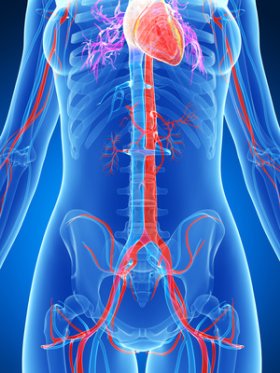 More women than men die of cardiovascular disease. Diet and lifestyle play a crucial role in prevention, and there are certain supplements which have been shown to reduce heart-related deaths by over 50%.
 Ubiquinone or Ubiquinol - does it really matter? Ever since the discovery of coenzyme Q10 in 1957, scientists have been conducting research with this intriguing nutrient that appears to play a crucial role in human health. Another word for coenzyme Q10 is “ubiquinone” because of its omnipotent importance. “Ubi” means everywhere. In 2006, a new type of CoQ10 called “ubiquinol” surfaced commercially. Clever marketing campaigns attempted to pawn this off as the new and improved CoQ10 source that was absorbed more easily in the body and was superior to ubiquinone. Consumers as well as scientists got confused and started questioning the traditional form of CoQ10 – ubiquinone – although it had been sold commercially and used in studies all along.
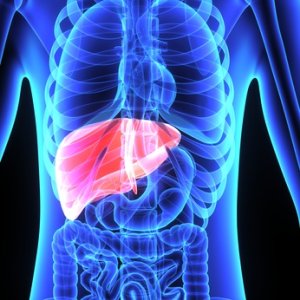 Researchers have found that sufferers of non-alcoholic fatty liver disease (NAFLD) can protect themselves by taking the vitamin-like substance coenzyme Q10.